What's going on in Mr. Solarz' Class?
  • Parent (Current Newsletter)
    • Additional Parent Resources >
      • Homework Guidance for Parents
      • WEX - Writer's Express
      • Our Classroom YouTube Page
      • Should I grade homework?
      • Articles that Explain my Philosophy of Teaching
      • Parents Supporting 21st Century Learning
    • Daily Photo Journal >
      • 2014-2015 DaIly Photo Journal
      • 2013-2014 Daily Photo Journal
      • 2012-2013 Daily Photo Journal
    • Tentative Schedule this Week
    • Parent-Teacher Conference Schedule
    • Monitoring Your Child's Progress in Spelling
    • Calendar
    • Printables
    • 21st Century Skills
    • Westgate Social Work
    • Bessie's Table Soup Kitchen
  • Students
    • Overflow Roll-Out >
      • Contests You Can Enter!
      • Student Quotes
      • Websites to Visit for Homework!
      • REARJMCL
    • Calendar
    • Mini-Lessons
    • I Never Knew That!
    • History Alive! >
      • Sign-In Page
      • Online Tutorial
      • History Alive 10 Quiz
    • Spelling
  • Educators
    • Mr. Solarz' ePortfolio >
      • Teacher Evaluation
      • Domain3
      • Domain4
      • My Digital Scrapbook
      • Finland
    • Workshops I've Led >
      • How to Set Up and Run a Mystery Skype Session
      • Creating Your 21st Century Classroom
      • Twitter for Educators
      • Leading Children to Pursue their Passions
      • Becoming a Global Classroom Through Mystery Skypes
      • Enriched Learning Projects
      • Developing Units with 21st Century Skills in Mind
      • Who Owns the Learning? Examples of 5th Graders Running the Show
      • A Brief Introduction to China (for 2nd Graders)
    • 21st Century Learning >
      • Resources for Teachers >
        • 21st Century Skills
        • The 21st Century Skill Series of Videos
      • Examples of 21st Century Education in Action >
        • Self-Directed Students
      • 21st Century Assessment
      • Web 2.0 Tools Used in Our Classroom
      • Articles for 21st Century Teaching (Updated Daily)
      • Motivational Speakers
    • Curricular Units >
      • Social Studies Units >
        • The 2012 Presidential Election
        • The Revolutionary War
        • U.S. Constitution and Government
        • Westward Movement
      • Science Units >
        • Energy
        • Science Fair
        • Human Body Systems in Motion
        • Human Body Systems in Motion
        • Watery Earth
    • EdChat Archives >
      • #TLAP
      • #5thchat
      • #21stedchat
    • My Philosophy of Education
    • Tips and Tricks for the Elementary Classroom
    • China (Photos)
  • Past
    • 2013-2014 >
      • Year-Long Activities >
        • Passion Time >
          • Passion Projects >
            • 2013-2014 Passion Projects >
              • Passion Projects 10/11/13
              • Passion Projects 11/22/13
              • Passion Projects 12/20/13
              • Passion Projects 2/12/14
              • Passion Projects 3/21/14
              • Passion Projects 5/2/14
              • Passion Projects 6/2/14
            • 2012-2013 Passion Projects >
              • Passion Projects 1
              • Passion Projects 2
          • Guidelines for Creating Your Final Product
        • New Assignments
        • Mystery Skype
        • Literature Circles >
          • Discussions & Signposts
          • Book Talks >
            • Submit Your YouTube URL Here
      • Spring Trimester >
        • Our Learning Experiences
        • Westward Expansion >
          • Oregon Trail Pastimes
          • VoiceThread Blog
          • Pinterest
          • VoiceThread
          • Timeline
          • Diigo
          • Google Presentation
          • Photo Stories
          • Tableaux Vivants
          • Daily Travel Log
          • Fictional Travel Log
          • Video Journal
        • WEX - Fictional Narratives
        • 21st Century Skills
        • Motivational Posters
        • Watery Earth >
          • Bodies of Water
        • Colonize Mars! >
          • Claiming Mars For Ourselves
      • Winter Trimester >
        • 100 Word Challenge
        • Stations
        • Human Body Unit
        • Out Of My Mind
      • Fall Trimester >
        • Historical Reenactment
        • Tessellations
    • 2012-2013 >
      • April/May/June >
        • Mystery Skype
        • Colonize Mars!
        • Science Fair 2013
      • February/March >
        • ThingLink
        • Human Body
        • Revolutionary War Simulation
        • Global Literature Circles
        • ISAT Test Prep
      • January >
        • Field Museum
        • Wonder >
          • Character Analyses
          • Teacher Notes for Wonder - R.J. Palacio
        • Google Groups
      • November/December >
        • 12/12/12
        • Energy Debates >
          • Energy Debates Videos!
          • Energy Debate Blog Template
        • Presidential Elections >
          • The 2012 Presidential Election
          • Presidential Election Glogs
          • Presidential Character Traits
          • Political Parties >
            • Democratic Party
            • Republican Party
            • Green Party
            • Constitution Party
            • Libertarian Party
          • Virtual Debate >
            • Education
            • Health Care
            • Social Security
            • Immigration
          • Infographic Lessons on Prezi
          • Political Polls
          • ELECTION TIME!!!
      • October >
        • Creating Your Class Badges Account
        • Properties of Quadrilaterals
        • WEX Lesson 33 - Human Sculptures
        • Energy
        • 10-11-12 What's Special About It?
        • Mr. Badynee's 50th Birthday!
      • September >
        • Constitution Day - September 17, 2012
        • Character Traits Thesaurus
        • Mad Libs!!!
        • Grammar
    • 2011-2012 >
      • May/June >
        • Science Experiments >
          • Marble Coasters
          • Bubble Busters
          • Geodes
          • Naked Egg Drop
        • Oregon Trail >
          • Reflection Activities >
            • Pinterest
            • Voice Thread/Garage Band
            • Timeline of Events
            • Diigo
            • Google Presentation
            • Photo Album
            • Tableaux Vivants
            • Video Updates
            • Daily Travel Log
            • The "Very Unrealistic Accounts" of our trip west
          • Miscellaneous >
            • Audio ThingLink Map
            • Passtimes/Games/Songs
        • Niche Theory
        • The 5 Love Languages
        • Pool Party
        • History Alive 17
        • Field Day
      • March/April >
        • Phantom Tollbooth >
          • Homework >
            • HW Due 5/3/12 by 4:00 p.m.
            • HW Due 5/14/12 by 4:00 p.m.
            • Character Forum
            • New Characters
            • New Settings
          • Roles >
            • 1 - Detail Tracker
            • 2 - Psychologist
            • 3 - Professor
            • 4 - Philosopher
            • 5 - Cartographer
        • Human Body >
          • Human Body Posters (Pre-Assessment)
          • Human Body Lessons >
            • Heart Rate Graphs
            • Exercise Graph
            • Clothespin Lesson
            • Creating Aliens
            • Hinge Joint Videos
          • How to Write a Reflection
          • Final Assessment & Reflection
        • WEX Fictional Narratives >
          • Sticky Podcasting
          • Podcasts
          • Writing Picture Books
        • Project Citizen: Westgate Database
        • Arbor Day
        • Zero Degree Party!
        • Judge Tristano Visit
      • January/February >
        • Kate Klise Assembly
        • Lara in "Annie"
        • Glogster Project
        • Science Fair
        • Valentine's Day Party
        • Teacher Appreciation Week
      • November/December >
        • Chinese Calligraphy
        • Energy
        • Energy Debates
      • September/October >
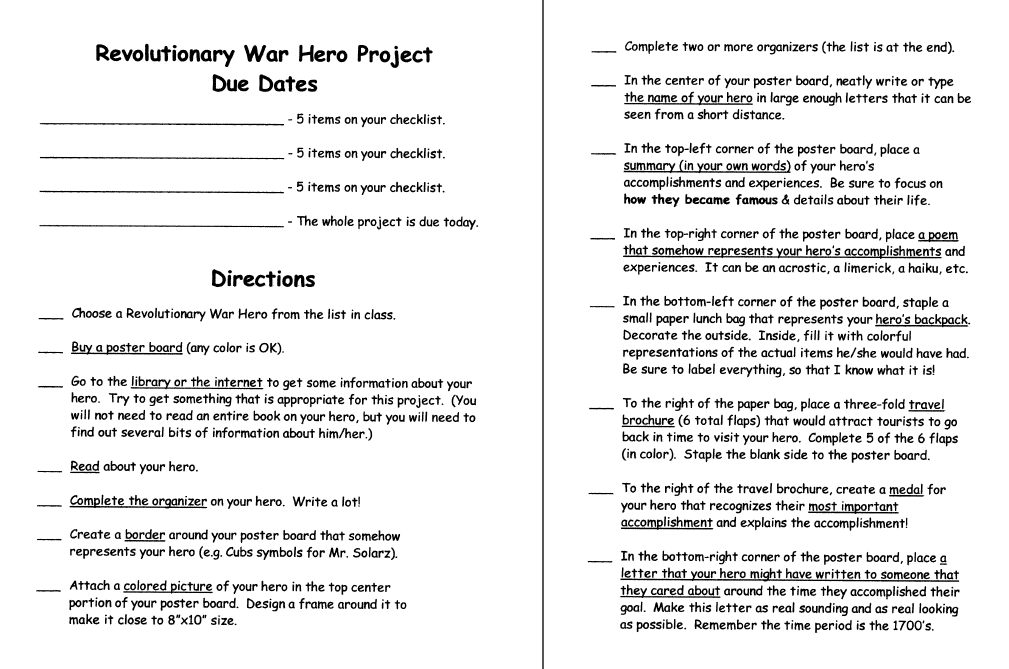
        • Rev. War Hero Projects
        • Stations
        • Halloween Party
        • Fall Links
      • Videos
  • Present
    • Passion Time >
      • Passion Time Steps
      • Submit Your Essential Question
      • Essential Questions
      • How to Post Your Passion Project Online
    • 2014-2015 Miscellaneous
    • Energy
    • Wonder
    • Grammar
  • Future
    • Learning About 21st Century Skills
    • Creating Infographics
    • Utilizing the Left and Right Sides of Your Brain
    • Comments 4 Kids
    • Innovation in the Classroom
    • Online Quizzes and Polls
    • Solar Maximum
    • Vocabulary/Parts of Speech
    • The Five Things I've Learned
    • Vialogues (Video Discussions)
    • Creating Online Videos
    • Advanced Storytelling
    • Test Anxiety
    • Responding to Blog Entries
    • Writer's Workshop Blog
    • Recipe Project (Blog)
  • e-Portfolios
    • 2014-2015 Students >
      • Student ePortfolios 0-7 >
        • 1 - Michael
        • 2 - Charlie
        • 3 - Nicole
        • 4 - Stacy
        • 5 - Bela
        • 6 - Kendall
        • 7 - Demetri
      • Student ePortfolios 8-14 >
        • 8 - Emily
        • 9 - Nicky
        • 10 - Hanna
        • 11 - Payton
        • 12 - Hasanain
        • 13 - Tucker
        • 14 - Chris
      • Student ePortfolios 15-21 >
        • 15 - Madi
        • 16 - Aidan
        • 17 - Luke
        • 18 - Kaela
        • 19 - Ryan
        • 20 - Alison
        • 21 - Lucas
    • 2013-2014 Students >
      • Student ePortfolios 0-9 >
        • 0 - Mr. Solarz' Sample Portfolio
        • 1 - Anthony A.
        • 2 - Annie B.
        • 3 - Sadie D.
        • 4 - Ellie D.
        • 5 - Sam D.
        • 6 - Ed D.
        • 7 - Luke D.
        • 8 - Keegan D.
        • 9 - Sean G.
      • Student ePortfolios 10-18 >
        • 10 - David K.
        • 11 - Ethan K.
        • 12 - Sam K.
        • 13 - Abby K.
        • 14 - Justin L.
        • 15 - Jill L.
        • 16 - Giana M.
        • 17 - Charlotte O.
        • 18 - Jack S.
      • Student ePortfolios 19-27 >
        • 19 - Charlie S.
        • 20 - Drew S.
        • 21 - Michael S.
        • 22 - Stefan S.
        • 23 - Charlie S.
        • 24 - Connor W.
        • 25 - Emily W.
        • 26 - Emma W.
        • 27 - Julia Z.
    • 2012-2013 Students >
      • Student Blogs 1-9 >
        • Blog 1
        • Blog 2
        • Blog 3
        • Blog 4
        • Blog 5
        • Blog 6
        • Blog 7
        • Blog 8
        • Blog 9
      • Student Blogs 10-17 >
        • Blog 10
        • Blog 11
        • Blog 12
        • Blog 13
        • Blog 14
        • Blog 15
        • Blog 16
        • Blog 17
      • Student Blogs 18-25 >
        • Blog 18
        • Blog 19
        • Blog 20
        • Blog 21
        • Blog 22
        • Blog 23
        • Blog 24
        • Blog 25
        • Blog 0
    • 2011-2012 Students >
      • Girls from 2011-2012 >
        • Gwendolyn Bennet >
          • Mars Travel Log
        • Dong Ling >
          • Mars Travel Log
        • Sophia Castro >
          • Mars Travel Log
        • Tristan Ely >
          • Mars Travel Log
        • Christine DuPont >
          • Mars Travel Log
        • Ira Matheus >
          • Mars Travel Log
        • Nicoletta Innazzo >
          • Mars Travel Log
        • Kade Bahari >
          • Mars Travel Log
        • Hava Raya >
          • Mars Travel Log
        • Kim Soo >
          • Mars Travel Log
        • Nabili Ngoumba >
          • Mars Travel Log
        • Britta Larson >
          • Mars Travel Log
        • Kristin Gola >
          • Mars Travel Log
      • Boys from 2011-2012 >
        • Dutch Vermont >
          • Mars Travel Log
        • Jose Leonardo >
          • Mars Travel Log
        • Otis Marley >
          • Mars Travel Log
        • Jose Rodriguez >
          • Mars Travel Log
        • Peter Anderson >
          • Mars Travel Log
        • Samir Bakri >
          • Mars Travel Log
        • Sefu Wellingtin >
          • Mars Travel Log
        • Raja Bello >
          • Mars Travel Log
        • Robert Gagne >
          • Mars Travel Log

The Benefits of Having Students Write a Simple Thank-You Email

4/30/2014

628 Comments

 
Picture
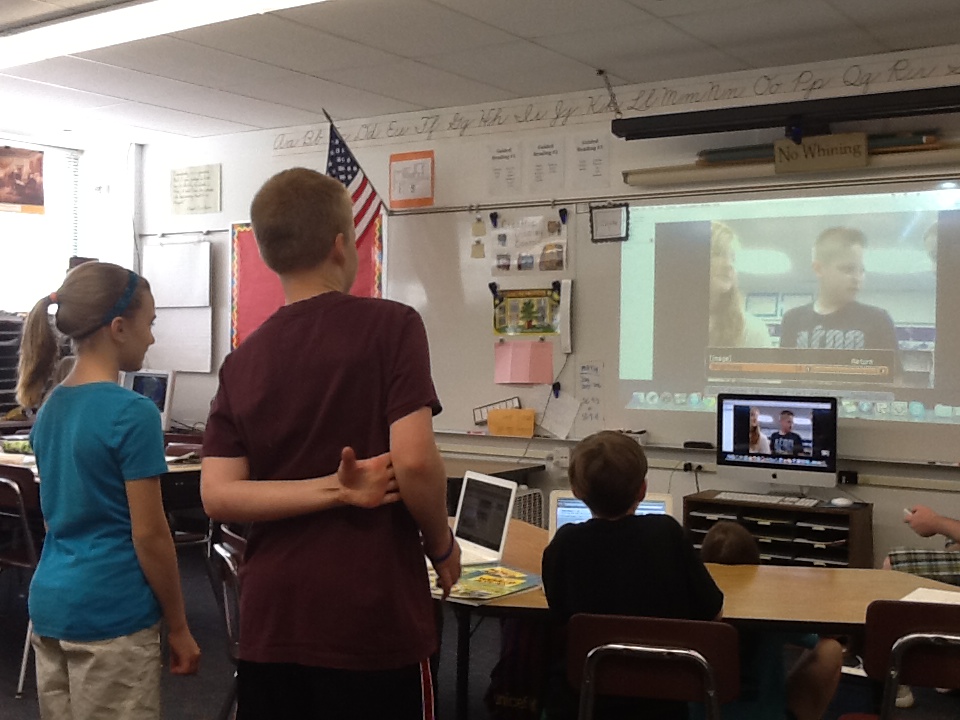
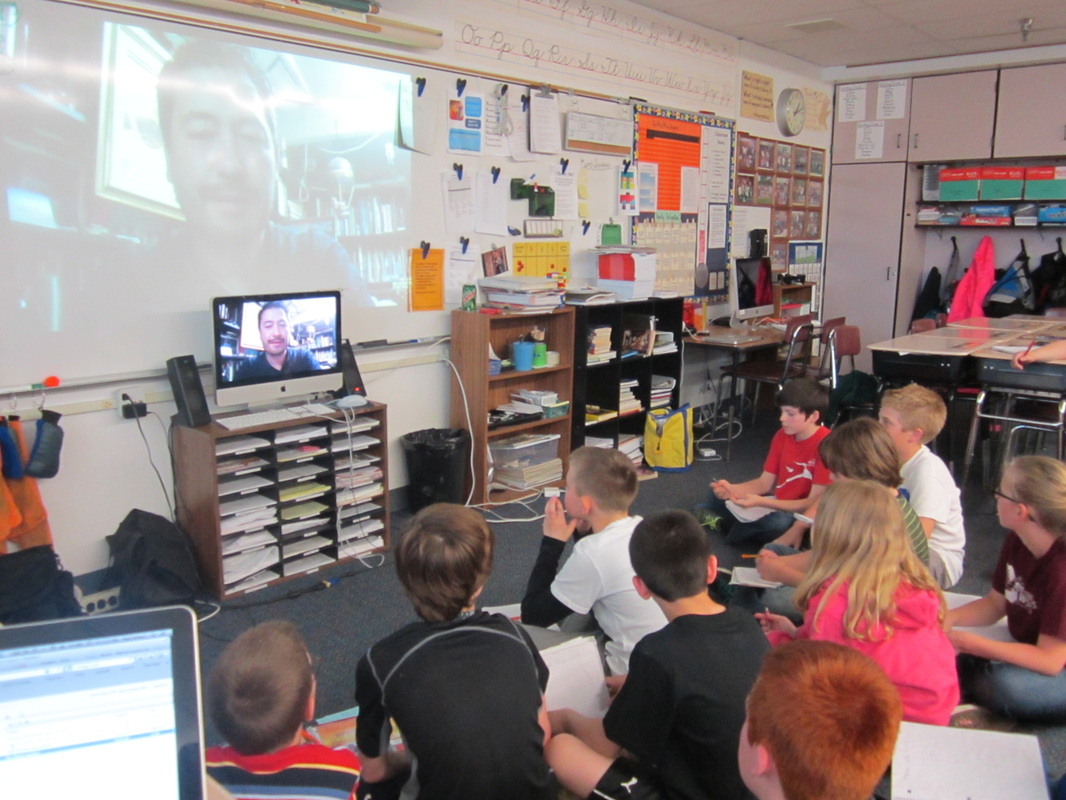
Earlier this week, my students were fortunate enough to get to spend 90 minutes Skyping with an amazing NASA scientist named Pascal Lee!  Dr. Lee is the author of an outstanding children's book called, "Mission: Mars," which we have been using as our primary print resource in our attempt to colonize the red planet.

Prior to our Skype call, my students participated in several lessons providing them with the background knowledge necessary to have an intelligent conversation with Dr. Lee.  They prepared for our trip to Mars, spent 8 months traveling, and landed on Mars near the north

Picture
pole.  We even spent our first few days on Mars, debating what should be done first!

That being said, we wondered if we had been making wise choices or if a NASA scientist would tell us that we would have probably died already!  Enter Pascal Lee.

My students had some amazing questions for Dr. Lee:
  • "Was landing near the north pole a smart decision?"
  • "How will we make oxygen?"
  • "What should we do first: build our habitat or get plants growing?"

Although we spent no time at all preparing questions for our Skype session, my students had burning questions that they needed an expert to address!  Thank goodness Dr. Lee was here when we needed him!

He was able to tell us that we have used solid logic for many of our decisions, and that in the year 2150 (when our simulation is supposedly taking place) much of the technology that we are relying upon would likely be possible.  He reaffirmed much of what we thought and made us feel smart about our ideas!  Because of all of this, we had to take some time to thank him for his time and interest in our project!
Picture
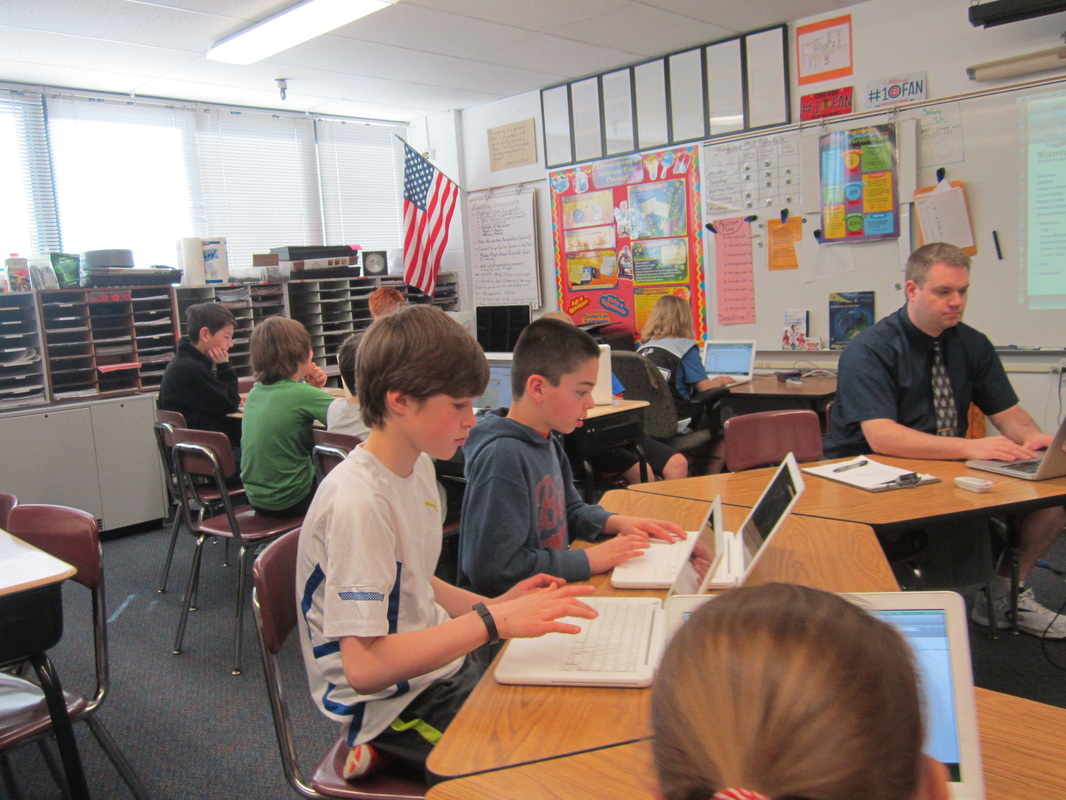
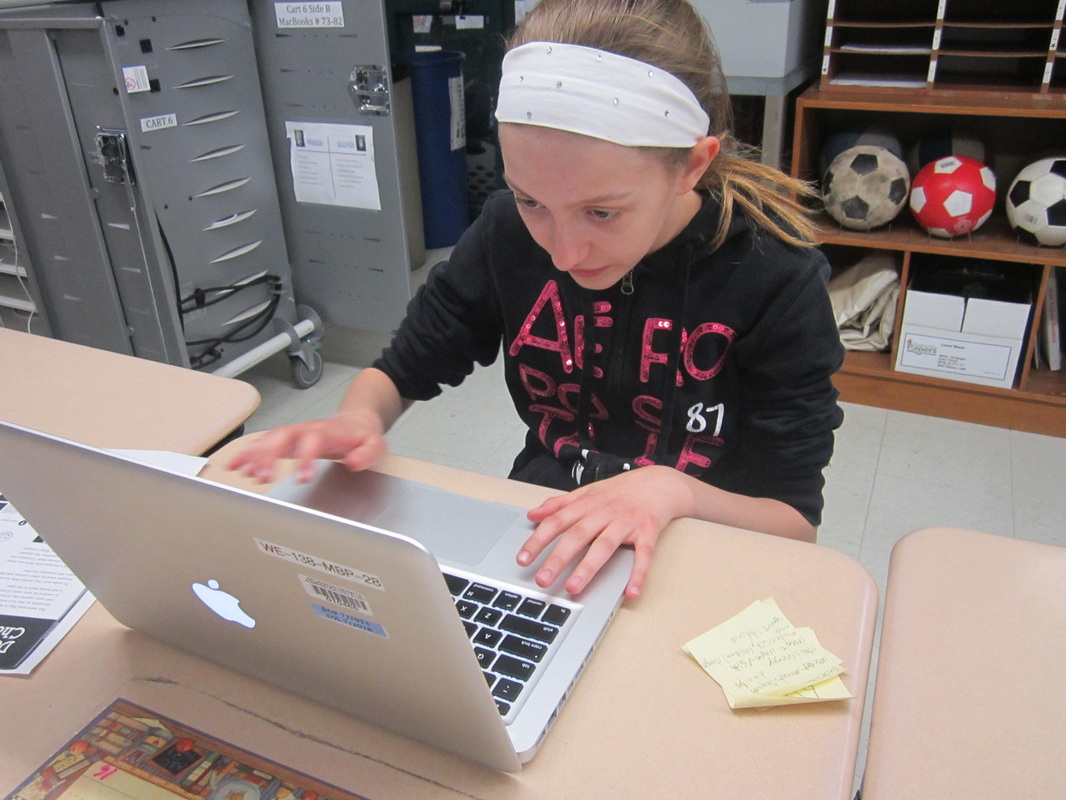
So after we finished our Skype call, we sat down to type out Thank You emails!

I told my students that we needed to:
  • express our sincere appreciation for Dr. Lee's time and dedication to our simulation,
  • explain some of the things that we learned about during the 90 minute lesson, and
  • describe some of the things we were surprised about discovering.
Picture
These emails turned out to be excellent examples of reflection and synthesis of new learning!  Students took the time to really think things out and type meaningful correspondence.  Having an authentic audience made their effort and quality so much higher than a typical blog post!

Little did I realize how important a simple thank you email could be for my students' learning!  Taking the time immediately following our Skype session was time very well-spent, because they solidified their learning by reflecting upon it so quickly after learning it!

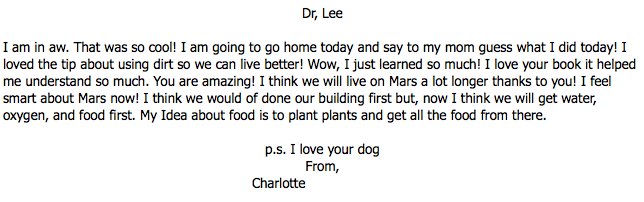
Here are some examples of my students' emails...


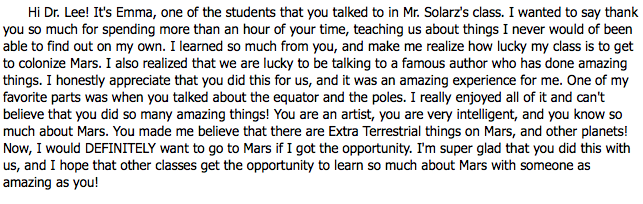
I like how Emma's email had a great balance between showing sincere appreciation, explaining what she learned, and reflecting on her favorite parts of our Skype session, all in a well-written and organized email.


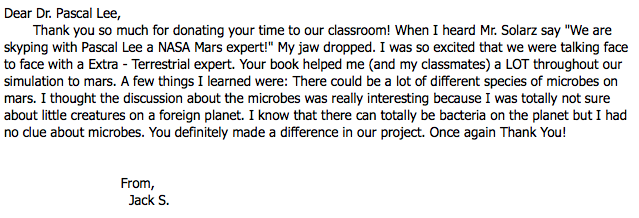
Jack was telling the truth about his jaw dropping - it's not hyperbole! I remember glancing over at him and seeing him drooling (literally) because he was so excited to get to Skype with a real NASA scientist!!!


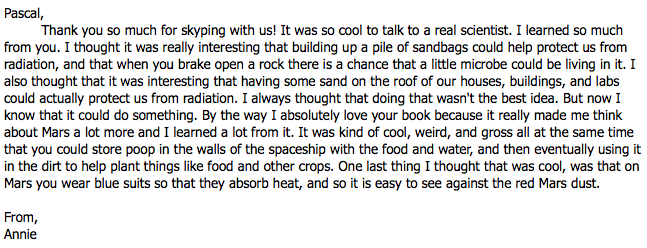
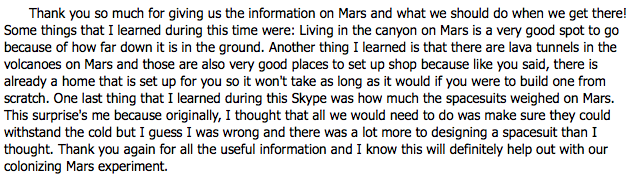
Annie not only did an outstanding job of recording things that she learned, but she also showed strong synthesizing skills by expressing her understanding that
allowing the sand to pile up on our buildings would actually be beneficial to our health!


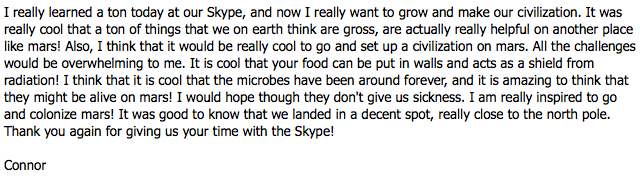
Connor made strong personal connections and explained them well.  It is clear that parts of this experience changed him in certain ways. I appreciate the glimpse into his thinking!


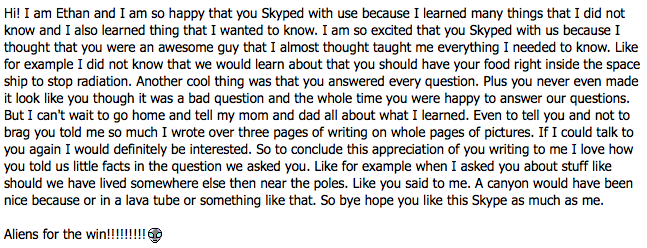
Ethan expressed his excitement by identifying his next steps (telling his parents what he learned) & he saw value in taking three pages of notes independently without anyone encouraging or requiring him to do so. His is becoming more self-motivated each day!


Charlotte is still processing what she learned from the Skype session, but has already decided to shift gears from building something to trying to get plants to grow for food based on his comments.


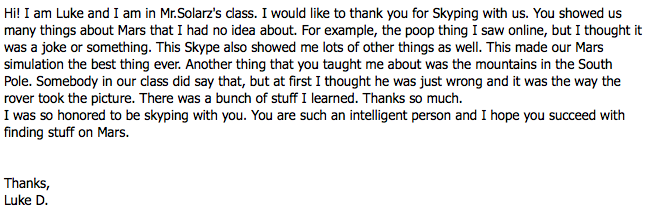
I love how Luke was discerning enough to not believe everything that he reads online, but is confident enough to admit he judged that website incorrectly.
I
also love the sincerity in his voice.


This email shows me that going deeper with our studies, rather than wider, has been a smart move as my students are able to be "surprised" by new information that causes them to admit they were incorrect
& want to make changes on their own!  Woohoo!
Click on each email below to see a larger version of it...
Picture
Picture
Picture
Picture
Picture
Picture
Picture
Picture
To follow our progress in this simulation lesson-by-lesson, check out our lessons page.
To see some of the work students have created so far, check out our creations page.
To see how this simulation fits into our unit on the Constitution and U.S. Government, check out this page.
To see more pictures from this day, check out our Daily Photo Journal page here.

Here is a clip from our Skype with Pascal Lee...
628 Comments

Using Peer Feedback to Improve the Quality of Passion Projects

4/1/2014

19 Comments

 
Picture
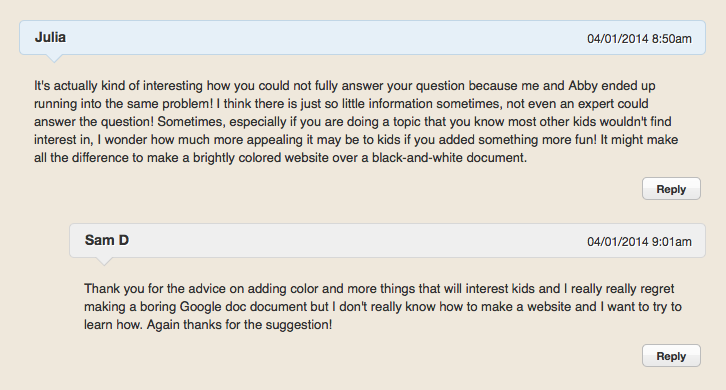
Our first attempt at using "Quality Boosters" in our class to give constructive feedback on peers' Passion Projects.

My students recently completed their fifth round of Passion Time this year and they have definitely been improving in countless ways!  That being said, some students are regressing in a few areas and others continue to repeat mistakes over and over again.  I needed some help giving constructive feedback in a timely manner that would be focused on things that we are trying to improve in our classroom.  But who could I ask to read and comment that would feel comfortable making suggestions and pointing out flaws in my 10- and 11-year olds' projects?  The answer turned out to be my 10- and 11-year old students themselves!

Most of the constructive feedback that my kids have received thus far this year has either come from me or from their partner (if they chose to work with one).  My students have received plenty of compliments from students and teachers on the internet via comments on their blogs.  They've even gotten quite a few comments that very bluntly complained about something trivial that wouldn't necessarily improve the quality of their product if they chose to take the advice.  But they haven't been given enough constructive feedback that would help them improve skills that are transferable to middle school and beyond.

In the past, when I've asked my students to peer-revise a writing piece or give suggestions for improvement after a presentation, I was hard-pressed to find anything of value.  Most students were either too worried about how critical feedback would make their peer feel, or they didn't know how to identify or evaluate skills that are important to give critical feedback on!  Written suggestions on essays created an environment where students felt inferior to the person who was revising their paper.  Face-to-face suggestions are awkward, because you have to see how they react to the news you are delivering, and rarely does someone love to hear how they are wrong!

So today, I introduced a concept to my students that I called "Quality Boosters."  I explained it to the class like this:
In our class, we don't care much about grades.  We don't care much about who's better than whom.  We care about working together to become the strongest "Me" we can each become.  We welcome people's opinions about our work, because when someone takes the time to give us their opinion (even when it's negative), they are helping us improve in some way.  And our goal is constant improvement!  We don't care where we start from - we care where we finish.  We don't care who is performing better than us.  We care that we are performing to our highest level possible!
Today, we are going to watch each others' Passion Project videos and read their KWHLAQ Charts and Reflections.  We are going to do so with a critical eye - one that looks for things that could be improved.  We aren't going to act judgmental where we sound like we know everything and others know nothing.  We won't put anyone down or make anyone feel stupid.  We are going to identify areas where our peers can improve to help them be the best that they can be.  We will call our critical feedback, "Quality Boosters," because our goal will be to boost the quality of each others' Passion Projects!
We won't feel awkward or rude, because we're helping them improve their craft.  We're helping them make a better product.  We're helping them feel more proud of themselves tomorrow than they feel today.  When they read our critical feedback, they will know that we are giving them these suggestions because we feel it will make their projects even better than they are today.  They know that this is an assignment and not someone putting them down.  They know what your goal is, because it's the same goal they have themselves: to help each other improve our projects!
Let's brainstorm some ways that we can make critical feedback more bearable.  Should we be blunt and vague and just tell them that their video stinks?  Or, is it better to be polite and specific about ways they can make their video better?  Should we say that their written reflection is short and that they should have tried harder?  Or, should we explain that a longer written reflection would have clarified what they learned during this round of Passion Time?  Polite, specific feedback will help our peers improve their craft.  Blunt, generic feedback will only hurt their feelings and cause them to be defensive or dismissive.
I have three ways that you can write a Quality Booster so that your peer will handle your critical feedback positively.

1.  Start by saying you have a Quality Booster for them!  They'll know right away that you are going to offer a suggestion that may be critical of their work.  They'll be prepared, and will probably handle it better!

2.  Start or end with a specific compliment!  When someone feels that you honestly appreciate their work, they are more likely to accept your critical feedback.  (Some people suggest having a compliment before and after the suggestion - they call it a Compliment Sandwich!)

3.  Write your suggestion as a question rather than a statement.  Instead of telling your peer what to change, ask them if it might sound better if... or you wonder if people would understand it better if...  You don't seem superior to them if you're just wondering something!
After a short discussion where my students offered their suggestions for writing quality comments, I assigned them each one person to give feedback to (by pulling sticks randomly) and said that when they do a GREAT job on that one, they can go on to any others that they were excited to look at.  After about 20 minutes, I asked everyone to read their comments and reply thoughtfully.  Here are some of the discussions that took place (listen for the reflection and appreciation in my students' voices):

Read More
19 Comments

The Role of a Science Fair in the 21st Century Classroom

2/24/2014

8 Comments

 
My class has been hosting a Science Fair every year for the past dozen or so years.  I can't say that I always knew why I continued to make time for it, but it always seemed valuable and worthwhile, so I kept it going.

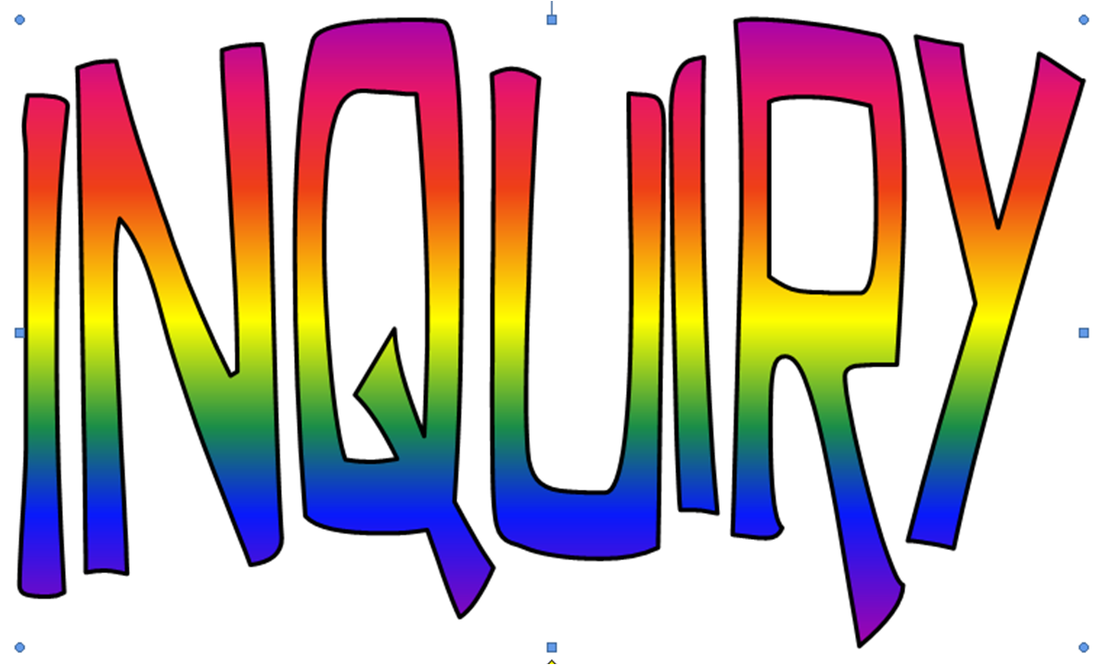
Today, I see why I continued the tradition.  It wasn't just because I did one as a child and enjoyed it.  It wasn't just because I saw my students explain a scientific discovery in a confident manner.  I continued this tradition because it is inquiry at its finest!  Students wonder about something and explore it!  
Picture
Click on image to see an enlarged version. Credit: http://cultureofyes.files.wordpress.com/2011/07/inquiry.png
So why are Science Fairs becoming so "old-fashioned?"  Why have schools cancelled them in favor of more teacher-directed science lessons?  Shouldn't we be providing more opportunities for students to wonder, explore & experiment, and report out their findings?  I think so!
Picture
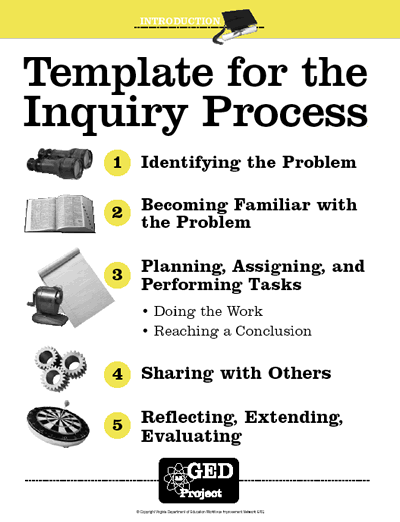
Click on image to see an enlarged version. Credit: http://www.valrc.org/resources/gedasproject /images/inquiry_template_lg.gif
In our class, students are regularly given time to explore interests of their own, not specifically focused on science topics.  We call this: Passion Time.  Passion Time is an opportunity for students to spend a portion of their class time learning about topics of interest to them.  They may research their topic, conduct an experiment, or build something!  They may integrate the arts, video games, or music into their passion projects as well!

When children spend time exploring topics of interest to them during school, they become much more invested in the learning process.  A Science Fair offers students the same benefit, but it focuses their investment on the sciences!

In the image on the left, the Inquiry Process is explained (link).  Our Science Fair follows a similar process.  Students look through Science Fair topic guides looking for something that sparks their interest. When they find something, I work one-on-one with each student to fine-tune their Guiding Question.  Since students are completely in charge of coming up with their area of interest, they are immediately engaged in the process and motivated to learn more!
I take my students through several steps that get each student to learn more about their topic (Review of Literature); predict what they think will happen during their experiment (Hypothesis); identify the components to change, measure, and keep the same (Variables); and plan out how the experiment will happen (Procedure).

After those steps and a few more, we take a couple months to allow the experiments to take place.  Everyone is expected to complete their entire Science Fair project, including the experiment, in class unless they get written permission from a parent requesting that they experiment be conducted at home.  
This allows me to oversee the entire process, provide feedback throughout, and discover what each student is truly capable of doing on his or her own.  Conducting the experiment together can be one of the best ways to bond with your students!  Take a glance at the video to the right showing Keegan, some of his friends, and me breaking four types of wood with a weight being dropped from increasing heights!  What a fun time!
While students conduct their experiments, they collect their data on a self-made Data Table.  These can be done on paper or electronically.  We prefer to use Google Spreadsheets or Excel for ours.  I enjoy helping my students create these tables, because it gets them to see their Dependent and Independent Variables more clearly.  They need to measure how much change is happening (Independent Variable) against what is being changed (Dependent Variable).  
Picture
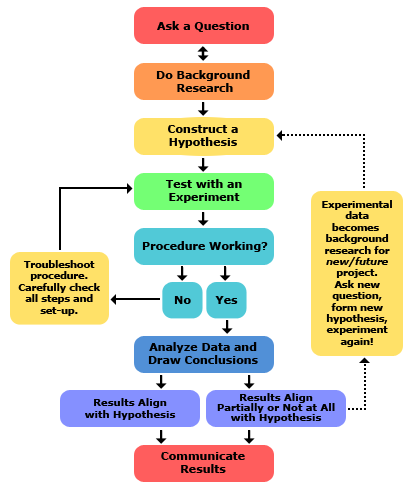
Click on image to see an enlarged version. Credit: http://www.cdn.sciencebuddies.org/Files/5084/7/2013-updated_scientific-method-steps_v6_noheader.png
They truly learn that you can't find out if something is an effective change if you have more than one variable changing at a time!  This is an important concept in the Scientific Method.

In the image on the left, the Scientific Method is described.  I like this image because it includes opportunities to be reflective and adaptable throughout the process.  Although students write a formal procedure prior to experimenting, it's important that they stay flexible and make changes if needed so the experiment works properly.  No one should be forced to keep a procedure that isn't working!

This graphic also encourages students to continue their curiosity after the Science Fair is over by asking a new question, forming a new hypothesis, and trying the experiment again on their own!  This encourages persistence and grit, as students work towards finding the true answers to their questions!
After the experimenting phase, we begin to work together as a class again to complete the rest of the project where we begin to analyze the data and prepare it for others to see.  

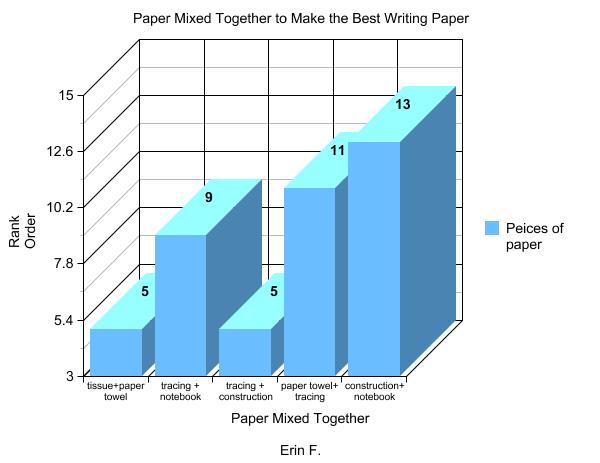
We create graphs and our final poster board.  Graphs help other students see the subtle differences in each of the variables.  It quantifies the students data and takes some of the subjectivity out of the data.
Picture
Click on image to see an enlarged version.
Students also work on an oral presentation that draws people in who are walking by during the Science Fair and gets them to want to learn more about their project!  Students are encouraged to have a hook at the beginning that gets people walking by to want to learn more about their project.  Of course, some projects are interesting even without a hook.  Watch a sample video of Brian teaching us about his Science Fair Project.
It is my sincere hope that others will see the value that a Science Fair (especially one conducted fully in school) can have on students' 21st Century skills attainment.  It is my belief that my students have improved their inquiry skills by taking a scientific wonder of theirs and conducting research and an experiment to clarify their understanding.

I believe that my students are improving their executive functioning skills by carefully planning out their steps in their procedure, and following a calendar of mini-deadlines to accomplish a long-term goal.

I believe that my students are also improving some of the following skills during various stages of this process:
  • Think Creatively
  • Think Critically
  • Make Judgments and Decisions
  • Ask Questions
  • Solve Problems
  • Metacognition (Thinking About Our Thinking)
  • Reflect and Synthesize
  • Adapt to Change
  • Think and Learn Flexibly
  • Demonstrate Learning Through All Intelligence Pathways
  • Manage Goals and Time
  • Be a Risk-Taker
  • Be Self-Directed Learners
  • Persist Despite Setbacks
  • Be Curious
  • Manage Projects
  • Produce Results
  • Be Responsible to Yourself and Others
  • Access and Evaluate Information
  • Use and Manage Information
  • Analyze Media
  • Create Media Products
  • Apply Technology Effectively
I hope that you will consider reinstating the Science Fair in your school.  Feel free to dress it up and call it an "Inquiry Fair" or something else that makes it sound more progressive, but you'll know what it really is: a great way for students to learn.

  • Click here to see a slide show of last year's Science Fair Projects!
  • Click here to visit our page from two years ago!
8 Comments

Stepping Back in Time: Teaching Textbook, Study, & Test-Taking Skills Inside a 21st Century Classroom

2/8/2014

13 Comments

 
Teaching in a "21st Century Classroom" where everything is collaborative, technology is used for more than half of our day, and there are very few formal assessments can be tough for parents and administrators to completely understand at first.  When their child comes home from school each day and talks about playing Minecraft for an hour and...
Picture
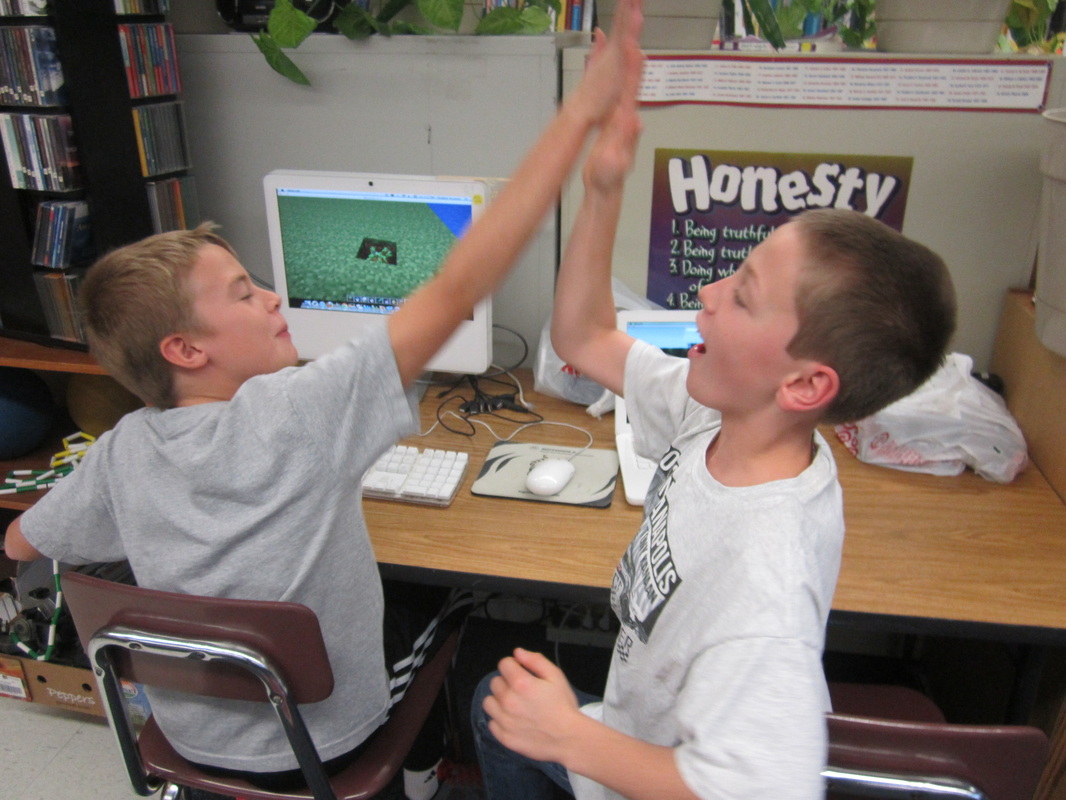
Minecraft success! Anthony and Jack built the Washington Monument.
Picture
Introducing ourselves during a Mystery Skype.
...Skyping with a class from Sao Paolo, Brazil, some might wonder what it is these kids are being taught these days!  I want my parents and administrators to rest-assured that my students will not only be prepared for a vastly different world than we adults were prepared for, but they'll also be prepared for a typical middle school environment with worksheets, packets, textbooks, and tests.
After all, I want my students to be successful in middle school and beyond and that means learning how to read a textbook, complete worksheets accurately, and prepare for difficult tests!  Just because I don't use those techniques often in my classroom (anymore), doesn't mean that other teachers will do the same.
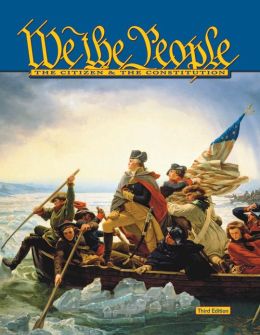
So the way I decided to prepare my students for middle school was by finding a textbook that I actually liked that was written at an appropriate reading level for my students and had rigorous content where students would benefit from teacher-led instruction.

I created worksheet questions that I felt promoted whole class or small group discussions, prompted deep thinking and role-playing, and utilized my students' literal comprehension skills as well as inferential comprehension skills.


Picture
Click on the image above to go to the original source.
I wrote tests that didn't just rely on recall, but on a deep understanding of the important concepts from each chapter.  Although some questions needed to be multiple choice and True/False (to prepare them for these in the future), the best questions I created are short answer and essay (Yes, I teach 5th graders, so I have varied expectations for each student.  An Answer Key alone could not be used to grade these tests!).  

The topic of this curriculum is "U.S. Constitution and Government."  I've selected more rigorous objectives and Big Ideas than our district requires because with increased teacher support should come a higher level of understanding.  You can find our objectives here, along with some of the activities we will be doing in addition to the textbook.
Our culminating activity will take several weeks.  We will participate in a simulation where we colonize Mars!  Wait.  Hopefully, your first reaction is "What does colonizing Mars have to do with our Constitution and government?"  Well, I'm glad you asked!  Students will soon discover once on the red planet that life without rules and laws can be very difficult (thanks to some "events" that happen to make sure they feel that way!).  They will want to create a formal government and might choose to use the U.S. government as a model, or they might not.
Picture
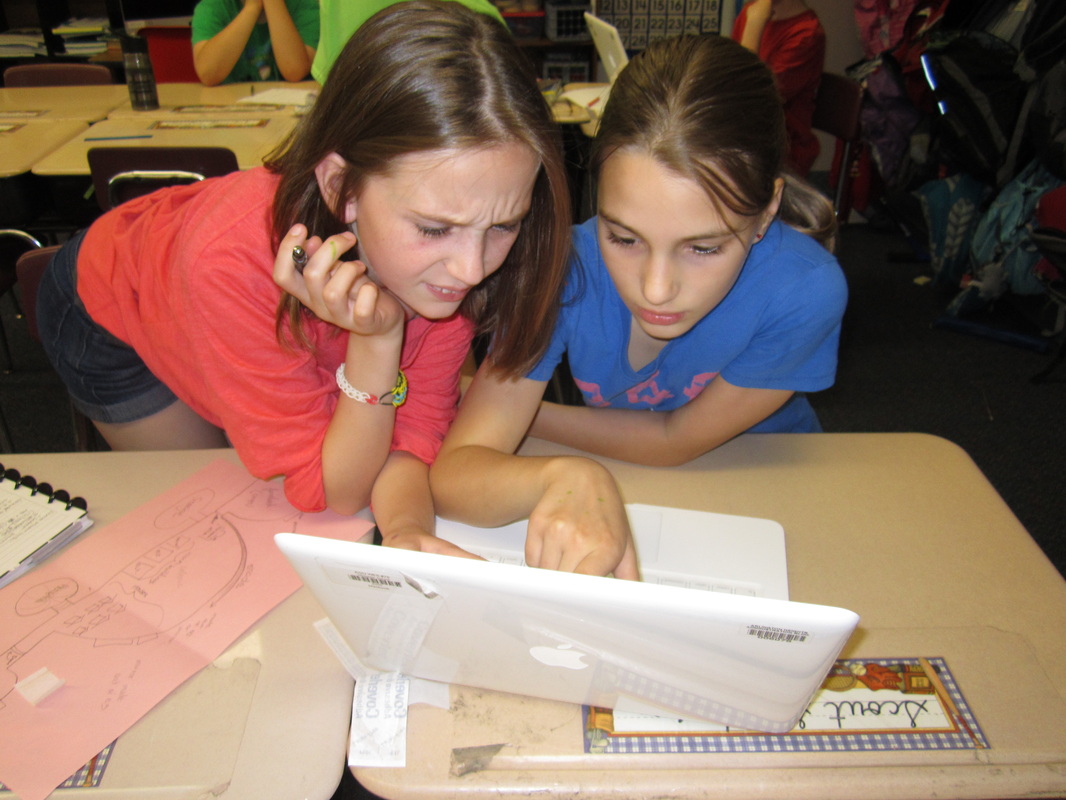
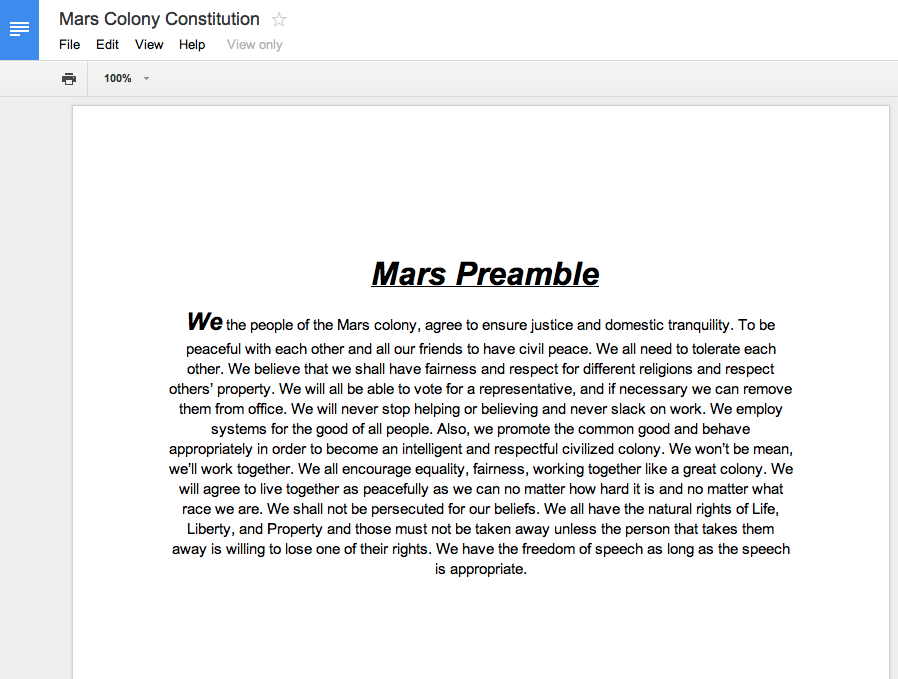
To get my students started, we had a whole-class discussion about what they think we needed to have in our government and what we didn't want to have.  I suggested that they look at the U.S. Constitution's Preamble to see if there was anything in there that we wanted in our own government.  It turns out, we liked a lot of it!

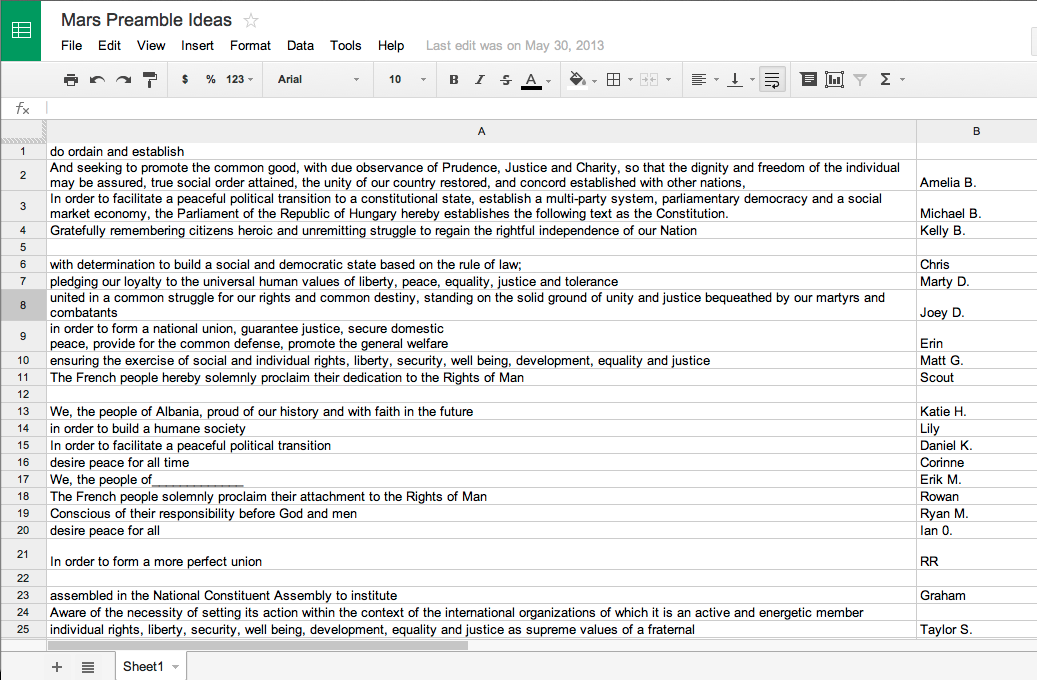
I then handed out several other preambles to other country's constitutions (as well as the United Nations) and asked them to extract phrases out of those that we wanted as well.  They could only use sections that they completely understood and could defend though.
We then created a Google Spreadsheet that I gave everyone access to, and projected it on the board.  After teaching them about the stresses that come with editing the same document as 25 others, I let them add their direct quotes to the spreadsheet.  We now had a long list of phrases that represented beliefs that we had about our government on Mars.
Picture
Click on the image above to view the original document.
Picture
Click on the image above to view the original document.
I had everyone try to eliminate overlapping ideas on the spreadsheet, copy the remaining ideas over to a new shared Google Doc, and revise it so that it looked like a coherent paragraph (and then edit any mistakes).  Believe it or not, our final product was pretty good!
So now that we had our beliefs expressed in our Preamble, it was time to explain how our government would work.  So we decided to write the rest of our constitution!  I pointed out that what we were doing is following a format similar to the U.S. Constitution and my students were pretty amazed!

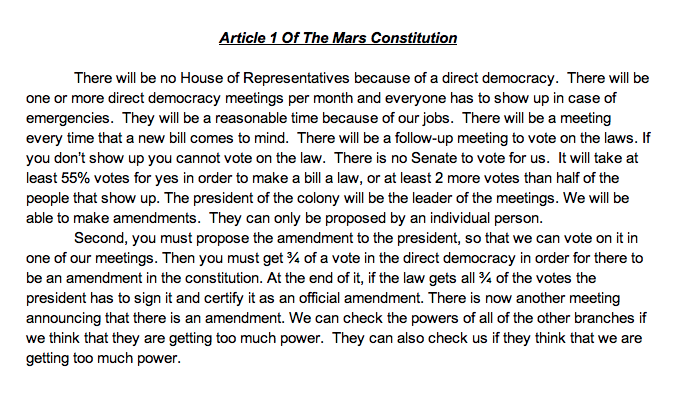
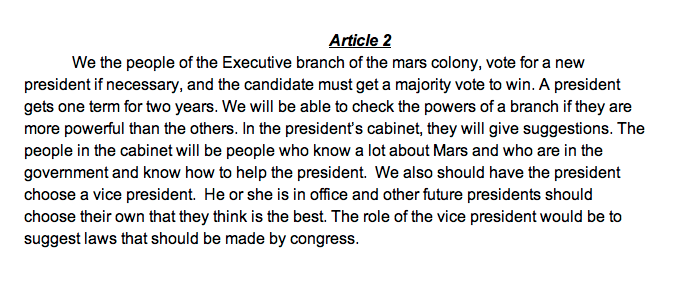
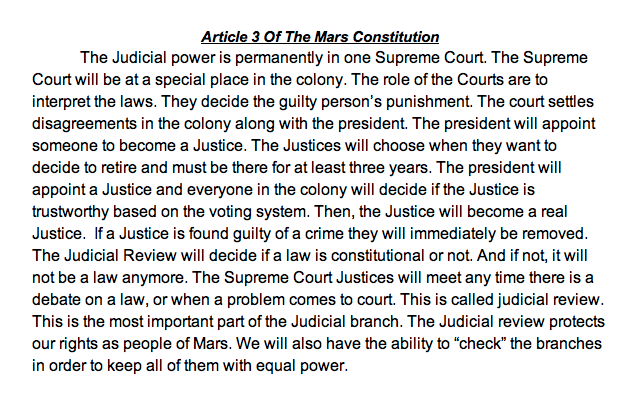
I helped organize the students at first, asking some questions that would get them all on the same page.  Then, based on what they said, I suggested that they divide and conquer to get things accomplished.  Last year, students wanted to base their Mars government on the U.S. Constitution rather than "go rogue!"  I got them to the point where they suggested that they divide up into three groups like the three articles in our Constitution that explains the responsibilities of the Executive, Legislative, and Judicial branches, respectively, and they did!

We used the same Google Doc from our Preamble activity, and each group started on a different page of the GDoc and typed how they thought their branch of the government should operate.  Whenever their branch overlapped with another branch, they sent liaisons to the other group to discuss how they should proceed (some amazing collaboration here!).  Throughout the whole process, I lurked on the GDoc and re-directed them whenever I thought they were getting off-track or going down a dead-end path.  I made suggestions for collaborating with other groups and helped them with their wording when they needed it.
Picture
Click on the image above to view the original document (scroll down).
Picture
Click on the image above to view the original document (scroll down).
Picture
Click on the image above to view the original document (scroll down).
So often in the past, after spending a couple months learning the lessons in the textbook, I would happily move on to the next unit in social studies, but that's not what students need!  They need the opportunity to apply what they've learned to a new situation, and our Mars simulation provides them with that experience.  I encourage everyone to consider taking a content-area unit that they teach every year, and creating a culminating experience where the students can create something using what they've learned from their lessons.  Only then will students hold on to the information that they learned from your instruction!
13 Comments

The Nuts & Bolts of Using Centers in an Intermediate Classroom - What!?

2/1/2014

19 Comments

 
First of all, we call them "Stations" in our classroom. That at least takes some of the "primary" off them!

Stations are an important part of our class for about half the year.  They help me to differentiate instruction for my students, provide enrichment opportunities, allow my students to follow their interests, and most importantly to me: they free up some time to give feedback to my kids on their work!  I often like to schedule as many "pullouts" during this time period as well, since speech, ELL, social work, etc. can all be considered a "station" to a child.  They handle being pulled out so much better when they think of it as a station!

We start "Stations" approximately one third to one half of the way through the school year.  This is when I feel I know my students well enough to create an individualized learning plan for each of my kids without wasting their time.  I have already tried to help them fix certain problems like using periods and capitals, or writing a timed prompt in 15 minutes.  If a student still doesn't show mastery (or close to it) by now, I feel comfortable using some "Stations" time to practice that skill.  It would be silly to do so at the beginning of the year, because so many students improve with just a few reminders or tips.
Picture
Click on any image to enlarge it.


How do I get started with Stations in my Classroom?

Picture
Click on any image to enlarge it.
The rest of this blog post may make more sense after you watch the video at the top of this post.  It shows what the first day of stations looked like in our room.

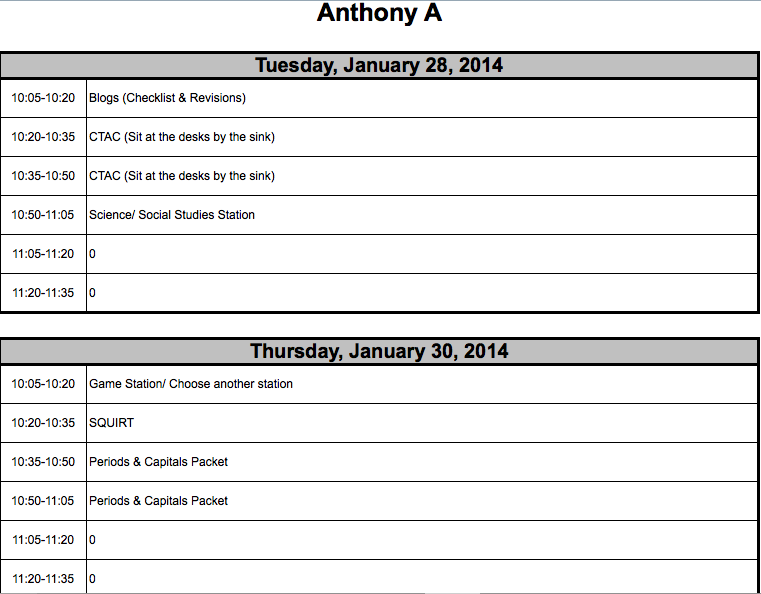
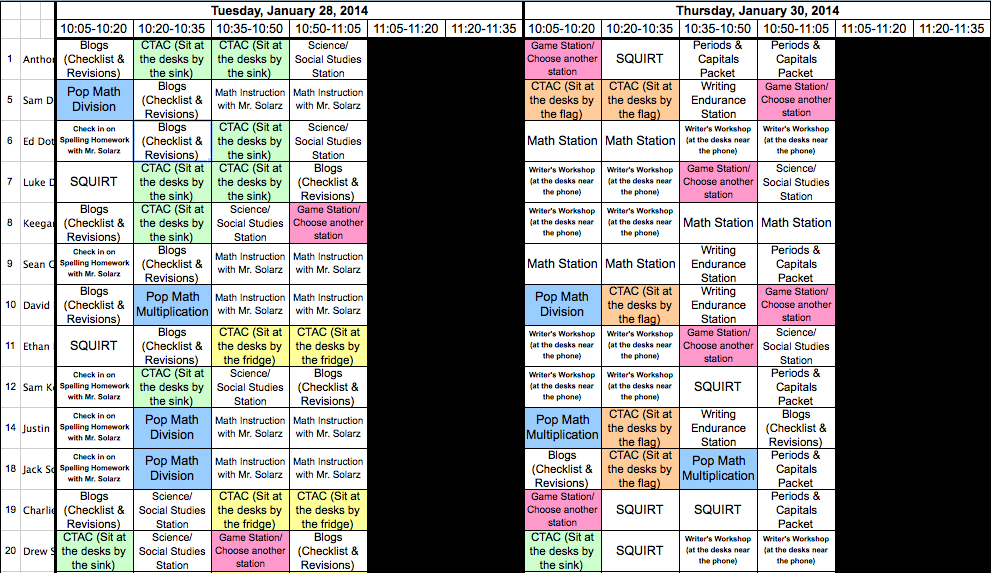
To introduce Stations, I don't spend much time doing so.  I simply tell my students where they can find their schedules for the week (see image at left), show them how to find the directions for each station (seen in the video below), and point to each station in the classroom.  If they need anything from me, it is printed on their schedule to get it from me.  Otherwise, they are not allowed to ask me any questions during a rotation (but they can between rotations).  This is to prevent those constant interruptions while I'm working with a child or a small group.  It also encourages collaboration and problem-solving...


What kinds of stations do I have for my kids? 

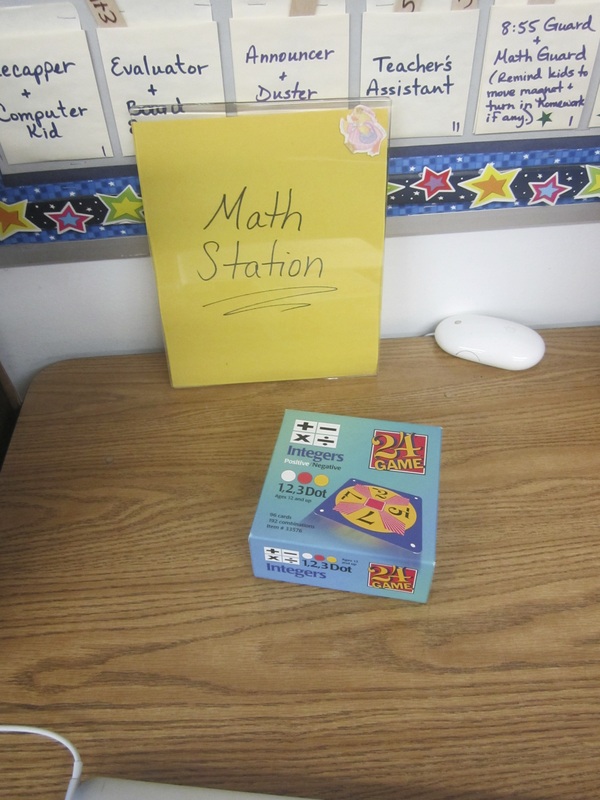
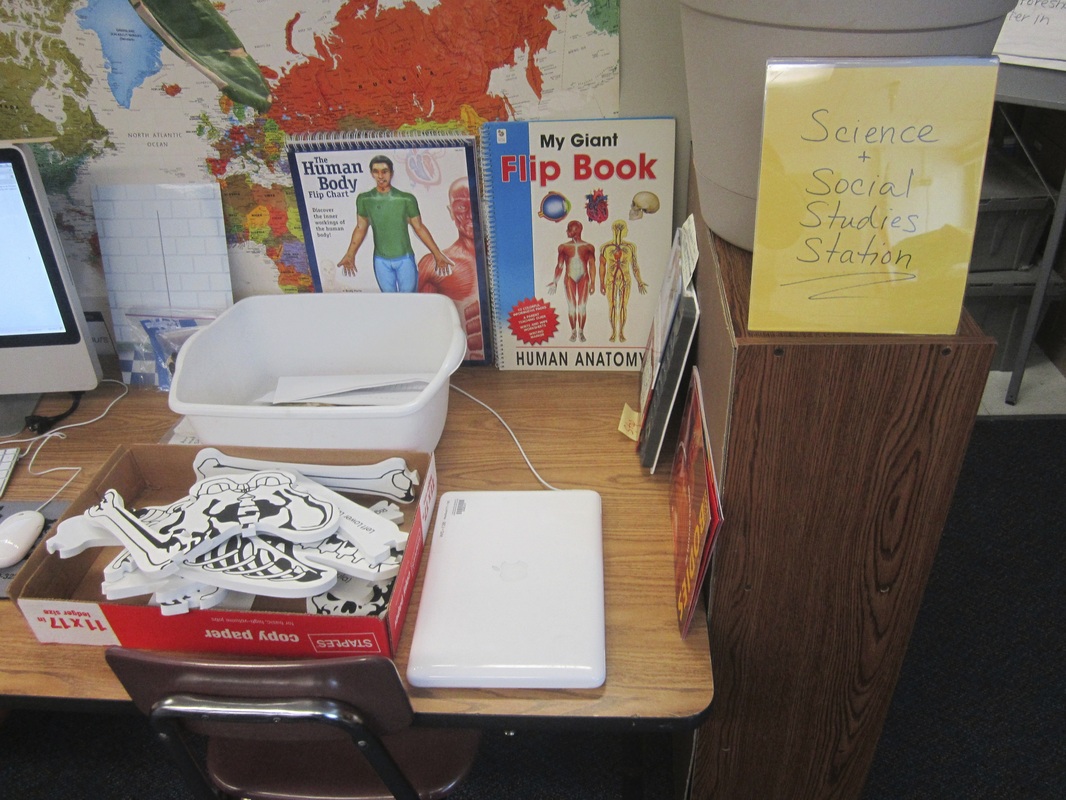
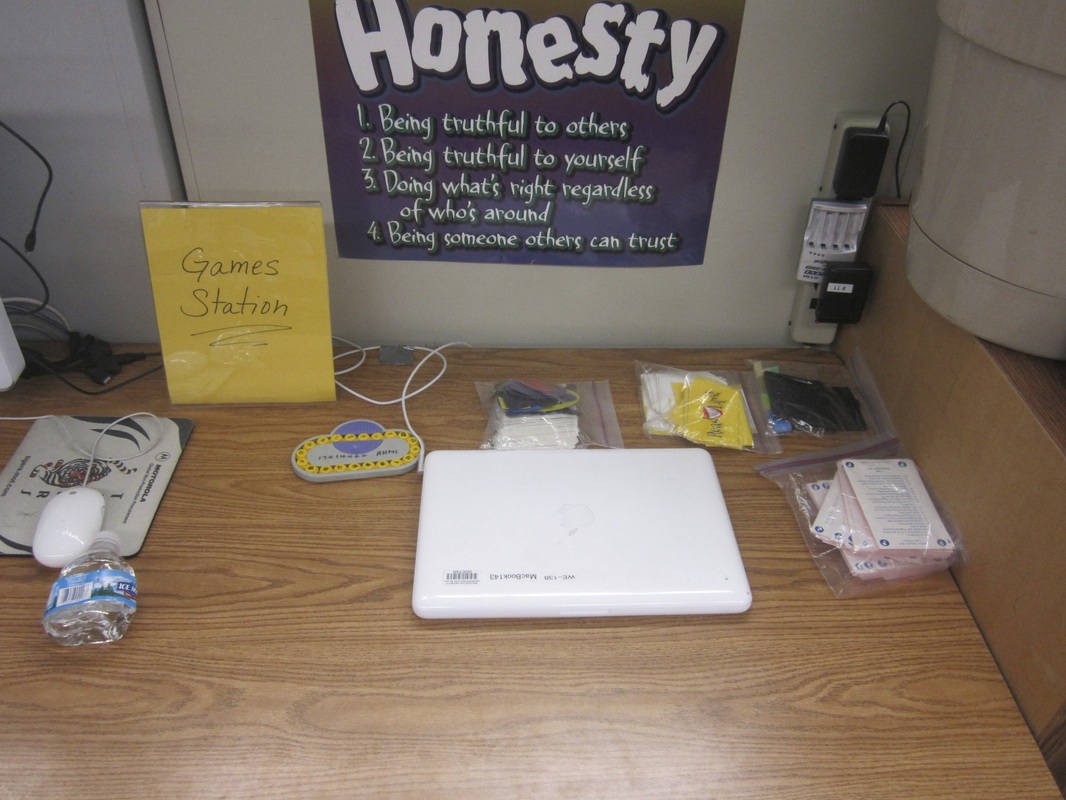
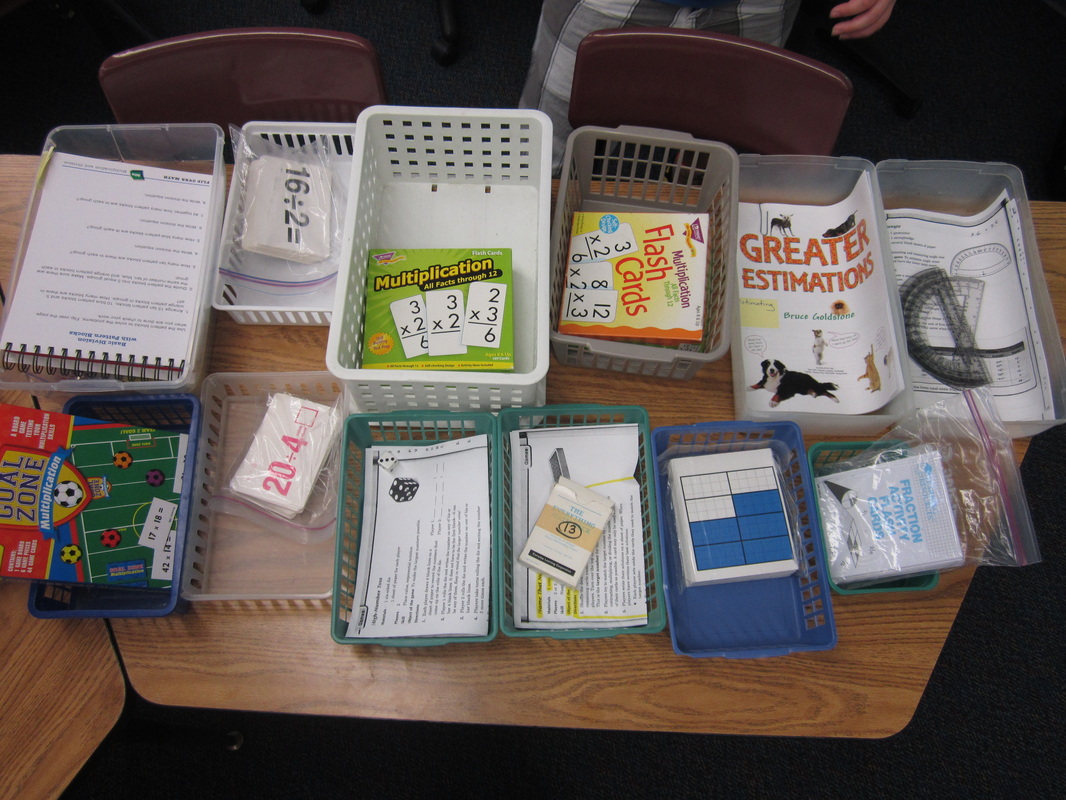
Well, quite a few!  I have the traditional stations based on subjects (e.g. math, science/social studies, writing, etc.), and I have some newer ideas that work best in an intermediate setting.  Those include a Games Station where students have several educational games to choose between.  They have to read the directions themselves (there are always 2-4 students assigned to a station at a time so they can figure it out collaboratively).  You can read about all of my stations in more detail at the end of this post.

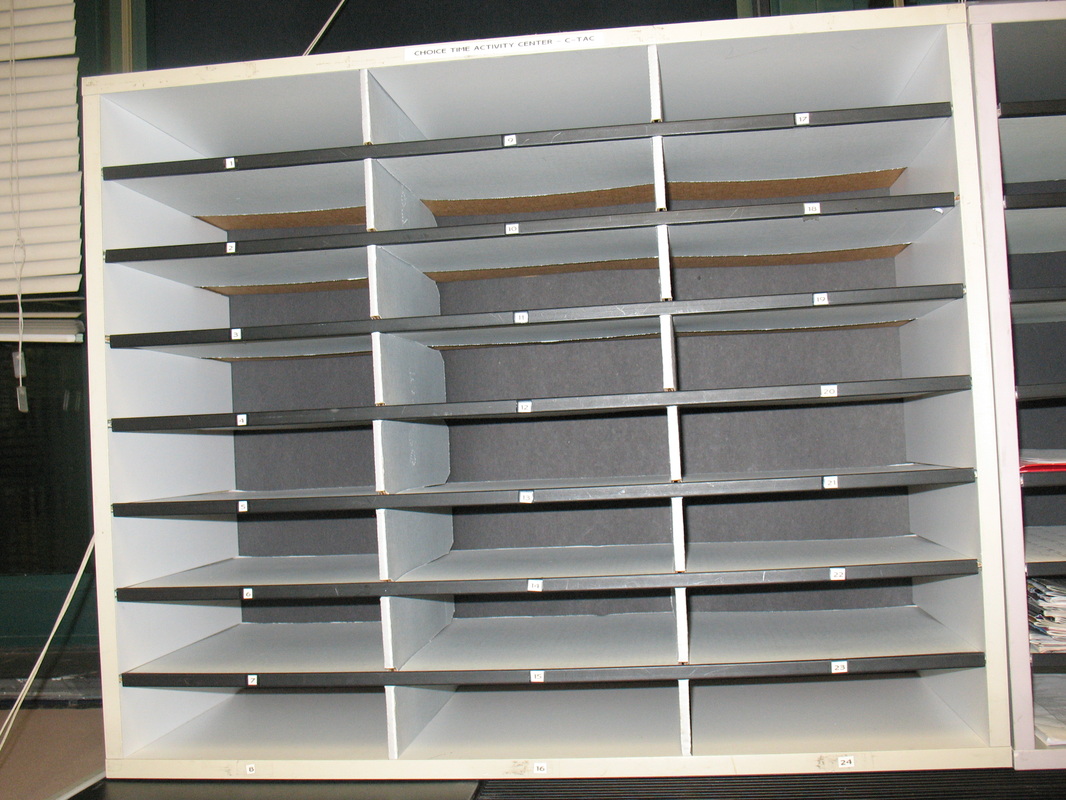
One of my students' favorite stations is actually a packet!  The station is called CTAC, and it stands for Choice Time Activity Center.  This is the name of the place that their CTAC packets are kept.  These packets are often enrichment-based and work directly to increase my students' critical thinking or creative thinking skills.  Some packets are extra practice for skills that a student hasn't mastered yet (they don't really care for those!!!).
Picture
Click on any image to enlarge it.
Picture
Click on any image to enlarge it.
Picture
Our Choice Time Activity Center (CTAC).
Picture
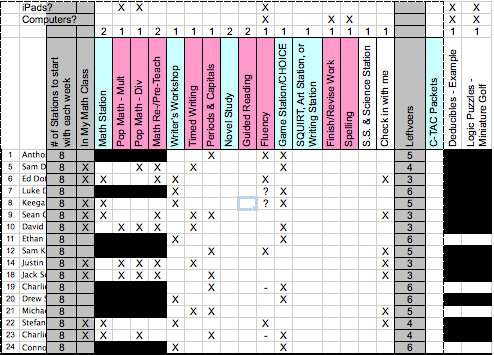
My spreadsheet for keeping track of which CTAC packet each child has been assigned.
Where did I get all of my materials from?

I am a crazy good Garage-Saler!  Every Friday morning throughout the summer, I spend about three hours going to local garage sales and picking up items that would work well in my stations!  I also take things people are throwing away if I think they make a good Station item!  I shop at the Dollar Store and love library sales for craft books or old educational board games!  I've written grants.  I've posted requests on DonorsChoose.org.  There are so many ways to accumulate materials for stations, you just have to keep it on your mind so you don't miss any opportunities for a great deal!  :)

Where do I store all this stuff?

When I moved from my classroom of ten years to a new classroom, I took advantage of the opportunity to re-design my classroom space.  So many people these days are swapping out their desks for tables and getting cool rolley-chairs, but I had a zero dollar budget and a bigger need than comfort.  I had to find a way to store all of my books for my students and all of the materials for my stations!!!

One entire wall of my classroom was a blank slate.  It was actually a foldable wall that originally was opened up, but with my loud voice, no one was ever going to want to open that wall up again with me next door!  So I decided to build a massive shelving system along it.  Here is a detailed explanation with photos of how I built it.  I measured everything out, bought the materials from the local hardware store, and had a finished project for about $600.  It took about two days of labor for two people, and has been a God-send for me!  The slide show below shows where I store most of my station materials.  I also have one cabinet and one additional book shelf by the windows dedicated to station supplies!
How do I schedule students for each station?

I am a big fan of spreadsheets and have been using Excel since I was a kid!  (I hope I don't lose you as a reader here!)  Although you certainly don't have to take Stations to this level, I love doing so (Sick, huh?)!  Below is a screen shot of my "Planning Worksheet" in my spreadsheet.  It has the students names along the left and the station names at top.  Since many stations are differentiated, I spend time determining which stations each child would benefit from.  Once I have an idea of which stations each child NEEDS, I look at enrichment opportunities and place "X"s in the appropriate cells.
Picture
Click on any image to enlarge it.
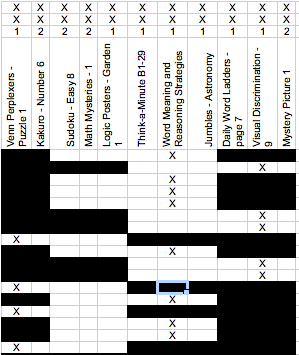
Below is a screen shot of my "Entry Field" worksheet in my spreadsheet.  It has the students names along the left and the times and dates at top.  Black cells indicate that we are not doing Stations at that time (and will produce a "0" on the students' schedule).  The other cells are blank to start.  As I enter the names (and directions) of each station into the cells, the information populates itself on the students' schedules that I will later print out and put in their CTAC bins.  The schedule tells them the date, time, and station for the week.  Excel does this automatically, so I only have to enter the information once onto the "Entry Field" worksheet.  

I use color codes for me, so I can make sure to divide students somewhat evenly when resources are thin, or to ensure that a few people are at a station (and not just one).  I also color code things when trying to make sure I have the right number of kids in my small group when I working with them.  Color codes do not transfer to the students' schedules.
Picture
Click on any image to enlarge it.
Even I get a weekly schedule (and so does my assistant).  That way, we know where we should be at all times.

Stations are an excellent way for me to meet the needs of my students.  It also continues to reinforce the importance of being self-sufficient, problem-solving when stuck, and collaborating with peers rather than relying on teacher direction.  Although my design is quite complex, I encourage you to try Stations with your intermediate students and comment below on your observations!
Picture
Click on any image to enlarge it.
Picture
Click on any image to enlarge it.
More information after the page break below.  Click on "Read More" to read information about each station.

Read More
19 Comments

Introducing Blended Learning to 5th Graders in a Traditional Classroom

1/27/2014

5 Comments

 
"Blended learning is a formal education program in which a student learns at least in part through online delivery of content and instruction with some element of student control over time, place, path or pace.[1] While still attending a “brick-and-mortar” school structure, face-to-face classroom methods are combined with computer-mediated activities.[2] Proponents of blending learning cite the opportunity for data collection and customization of instruction and assessment as two major benefits of this approach.[3] Schools with blended learning models may also choose to reallocate resources to boost student achievement outcomes.[4]"

-Wikipedia
Since Blended Learning requires a mixture of online instructional delivery and face-to-face instruction, it only seems natural that students growing up in a traditional classroom may find that model a bit difficult to adjust to.  After all, they've been used to a constant teacher presence with peers nearby!  Therefore, I have been slowly introducing my students to a Quasi-Blended Learning Environment over the course of the school year where some directions are posted online and some of their work needs to be done online!
Picture
Students independently posting work onto their ePortfolios.
Picture
Picture
Picture
Picture
Picture
I've used a gradual release of responsibility model with my students to get started in Blended Learning:
  • I work, you watch.
  • I work, you help me.
  • You work, I help you.
  • You work, I watch.

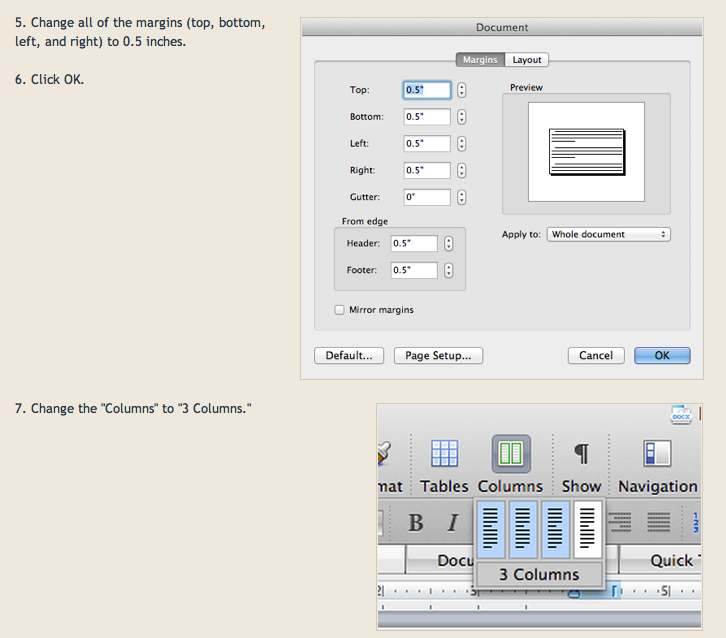
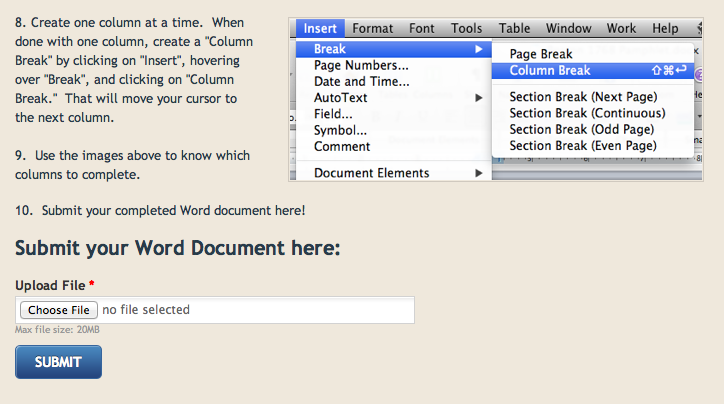
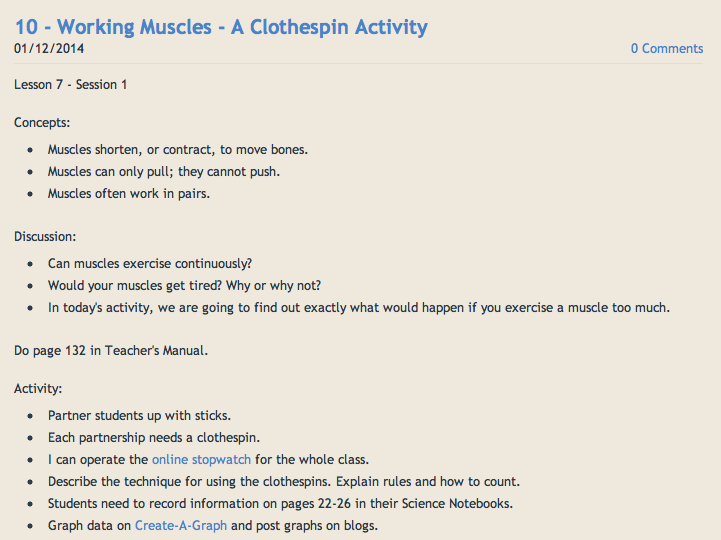
At the left is a sample lesson I did towards the beginning of the year to help my students become more comfortable with blended learning. In this lesson, my students are given some directions that are posted online (All images on the left will enlarge if clicked on). (Here is the link to the original post, as well.) I go over the directions with them so they understand everything before starting. I do a few tasks for them, they help me do a couple more, and then they do some tasks while I give feedback.  The rest of the steps are done on their own or with peer support.

Based on the successes and challenges of this lesson, I adjust the next quasi-blended learning lesson accordingly.

By the end of the year, students should be able to read the directions online, and follow all the steps successfully without adult support.  This is preparing them for a more literal interpretation of Blended Learning!

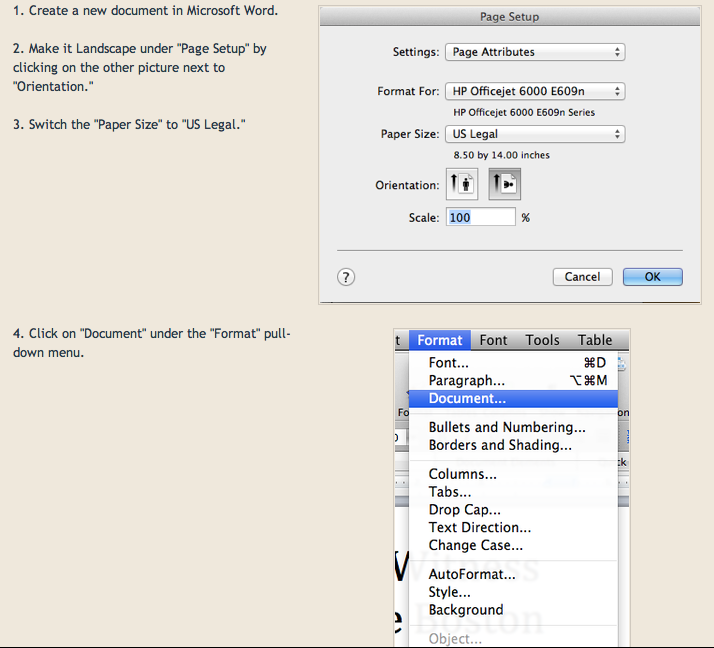
Notice that in the example to the left, I use a combination of screen shots, step-by-step instructions, and forms for my students.  Just like a checklist, students can successfully complete an assignment by following the directions closely and mentally checking off tasks as they are completed.  

Some students struggle with this at first and need teacher guidance to be successful in this style of instruction.  By doing these in class before they are expected to be able to do this from home (or in class independently), you are building their schema to be successful.

Some would look at this sample lesson as a lesson on technology, but I look at it as so much more.  Students are synthesizing their knowledge of their Revolutionary War Hero after spending weeks researching and creating small pieces of evidence to show knowledge and understanding.

Since students have to follow written directions somewhat independently and manage their time, they are also working on their executive functioning skills.

By the end of an assignment like this, I have a better understanding of what support each of my students needs going forward.  If we did this assignment step-by-step together as a whole class, I would not know which students were able to do this independently and which students needed support.
Quasi-Blended Learning supports differentiated instruction, in that students can work at their own pace, choose the complexity in which they complete the assignment, and are able to add creative touches (or not) based on ability and interest.

Since I do not spend a ton of time presenting content to my students (I prefer they experience content through simulations or PBL), I do not have my students watch videos of me or others teaching.  When I choose to lecture, I prefer that my students are with me so it can be a whole-class discussion rather than a "sit and git" session.  One exception is math, where I always have about a 15-30 minute lesson, but again, having my students be a part of the lesson "live" is still important to me so I can immediately check for understanding, ask questions before moving on, have them do sample problems with their peers, etc.

OK, so some of our directions are posted online.  What about student work?  Well, I have my students post their work online as well.  Each student maintains their own personal ePortfolio of their work.  Once they are finished creating something from their directions, they post it online, possibly answer some pre-assigned questions about it, and write a reflection statement.  Ideally, the teacher would give 1-on-1 feedback in the next couple of days to further assess the student's understanding of the content or skill, as well as to extract more information than the child's summary contains.  (I crave the opportunity to do this, but haven't figured out a way to create the time just yet.)

Below is a sample activity that shows where we are at today (mid-year) in the process of getting my students ready for a blended learning environment.  We are learning about the human body in science - I have a blog dedicated to those lessons that my students have 24/7 access to.  I show them a sample blog entry for them to model their own.   When the lesson is complete, students will have a blog entry associated with each lesson (click each image to enlarge them):

Directions:

Picture
Click to enlarge.
  • Click here to go to the original entry.
  • Click here to go to the Human Body Activities blog.

Sample Blog Entry:

Picture
Click to enlarge.
  • Click here to go to this sample blog entry.
  • Click here to go to my sample ePortfolio.

Student Blog Entry:

Picture
Click to enlarge.
Picture
Click to enlarge.
  • Click here to go this example blog entry.
  • Click here to go to Julia's ePortfolio.
5 Comments

Reflective ePortfolios as a Means of Improving Student Learning

1/19/2014

3 Comments

 
I have been using Reflective ePortfolios in my classroom for the past three years.  I feel that they get children to synthesize the information that they've learned better than worksheets or quizzes.  I feel that ePortfolios provide my students with a more authentic (global) audience to explain their process and show their products to.  I feel that they provide me with an excellent cache of evidence that shows growth over time.  And I feel that Reflective ePortfolios allow my students an opportunity to return to a post to revise at any time throughout the year.  All said, I think that student learning is improved due to having my students maintain individual Reflective ePortfolios.

Prior to using ePortfolios in the classroom, I was notorious for teaching a lesson, having the students complete an activity, and quickly moving on to the next lesson without taking much time to allow my students to think about what was just learned.  ePortfolios force me to slow down, give the students an opportunity to explain what they've learned to me in writing, and create an emotional attachment to that learning by explaining what was easy or difficult, fun or boring, familiar or foreign to them.

Because everyone's ePortfolios are public, students have the opportunity to look at a respected peer's work, and use them as a model for future posts.  We can call this "silent collaboration" (a 180 degree turn from the days of calling it cheating)!  I want my students learning together, modeling behaviors after each other, and learning from each others' mistakes and successes.  Not all collaboration has to be done verbally or include back-and-forth dialogue.

I hope you will take a moment to watch the video above where I show dozens of examples of ePortfolio entries that my students have completed over the past few months (the first few minutes are hard to follow, so I recommend skipping ahead a bit!).  Another suggestion I have is to check out a few of my students' ePortfolios by clicking on the links below.  You can also view all of my students' ePortfolios by clicking here.

The rest of this blog post is dedicated to showing you the value of Reflective ePortfolios through examples. Each example is titled with the guiding question for the activity and contains links to all of the related resources. To get the most value out of each example, you should visit the entire blog post by clicking on the link titled, "____'s entire blog post explained to the right."

How have humans adapted to life on earth?

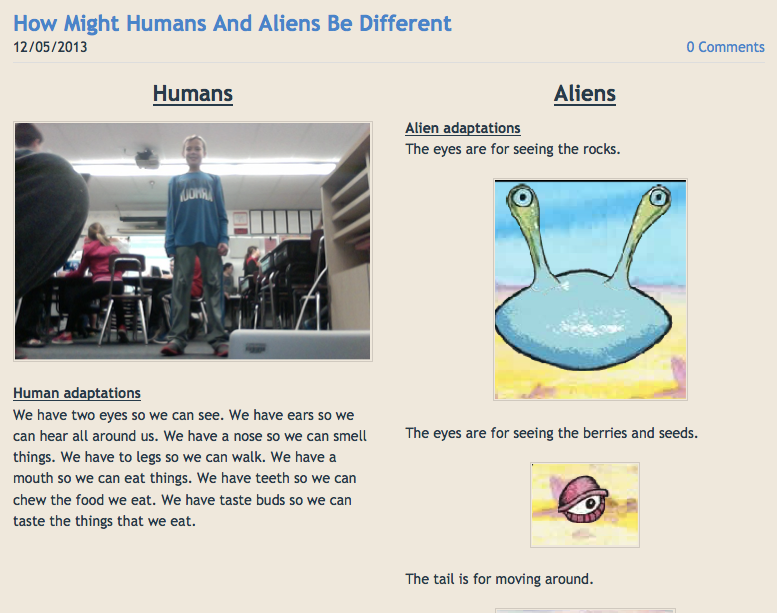
Our class tried to identify various characteristics and adaptations of humans that describe our species (we walk on two legs, we breathe air, we drink water, etc.).  We thought that a fun way to continue that analysis was to look at characteristics that make up an alien on a different planet! 

We spent time on this website trying to create aliens that would survive the unique environment that they posed to us.  Then, we analyzed those adaptations that made survival possible.

  • My class directions for this activity.
  • My sample blog post to use as an example.
  • Anthony's entire blog post explained to the right.
  • Anthony's entire ePortfolio.
Picture
Click on any screen shot to see a larger version of it.

Can you "up" your Observing and Describing skills by looking at an apple?

Careful observation can be difficult for children - they are constantly ready to move on and don't like to focus on one thing for too long.

This activity had students looking closely at an apple (something they see all the time) and asked them to describe new sensory details that they've never experienced before.

  • My class directions for this activity.
  • Annie's entire blog post explained to the right.
  • Annie's entire ePortfolio.
Picture
Click on any screen shot to see a larger version of it.

Where do you think all of the organs of the human body belong?

Prior to beginning our human body unit, I had my students trace the outlines of their bodies and draw in approximately 20 organs (I gave them a list here).  The organs needed to be in approximately the right place and approximately the right size.  When their poster was finished, they needed to record a video explaining each organ's placement to the best of their ability.  They got to work in groups of three to do this activity.

  • My class directions for this activity.
  • My sample blog post to use as an example.
  • Sadie's entire blog post explained to the right.
  • Sadie's entire ePortfolio.
Picture
Click on any screen shot to see a larger version of it.

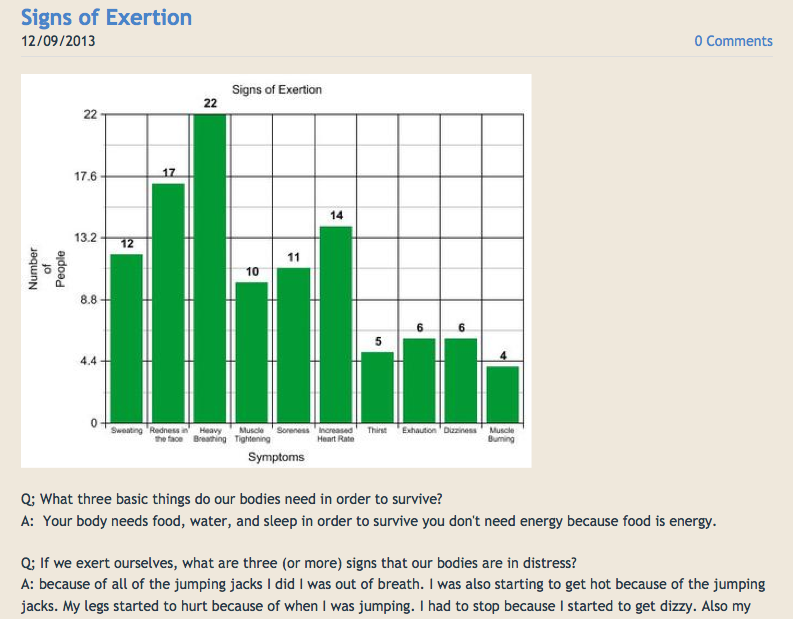
What warning signs does our body display when it's being exerted?

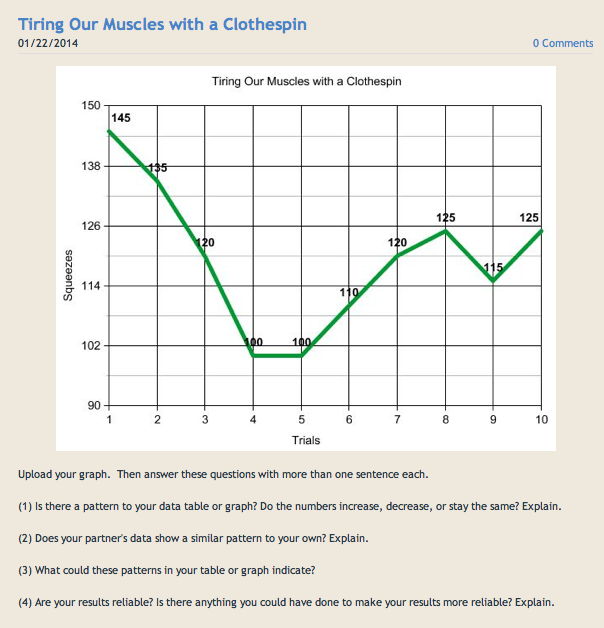
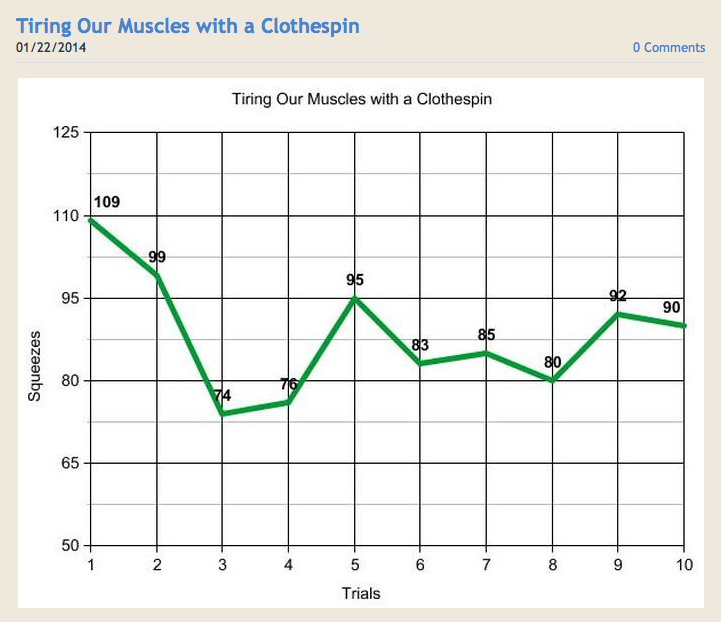
In order to find out what some signs of distress our bodies display when we're pushing it past its limits, we decided to do as many jumping jacks in the classroom as we could handle. We then wrote down everything we observed in ourselves and others. As a class, we tabulated all of our notes and created a graph to represent the data.

  • My class directions for this activity.
  • My sample blog post to use as an example.
  • Ellie's entire blog post explained to the right.
  • Ellie's entire ePortfolio.
Picture
Click on any screen shot to see a larger version of it.

Can reading your story aloud demonstrate the components of a personal narrative better than if in print?

Sometimes, it's hard to show a character's expression in writing, especially for a 5th grader.  So we decided to record our personal narratives on GarageBand and post them on our ePortfolios!  This should make it easier to show thoughts, feelings, and emotions of our characters to our "readers."

  • My class directions for this activity.
  • Sam D's entire blog post explained to the right.
  • Sam D's entire ePortfolio.
Picture
Click on any screen shot to see a larger version of it.

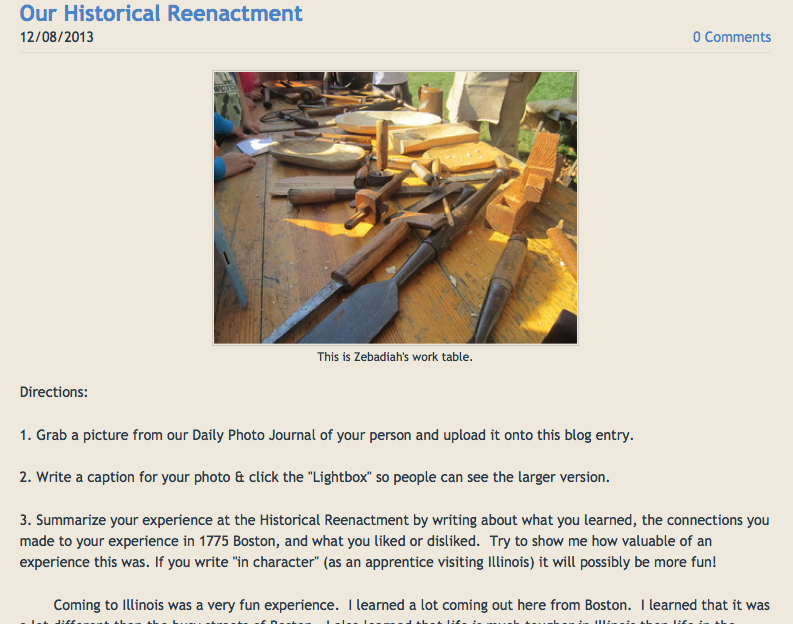
What were some of the similarities and differences between Illinois and Boston during the Revolutionary War?

My students and I participated in a simulation where we traveled back to 1775 and became apprentices in Boston.  We did this to better understand and experience life during the Revolutionary War time period.  Our district is also very fortunate that we have a local group of re-enactors who provide our 5th graders with a free field trip to experience what life was like for people living in Illinois during this time.  This activity asked students to compare and contrast the two experiences.

  • My sample blog post to use as an example.
  • Ed's entire blog post explained to the right.
  • Ed's entire ePortfolio.
Picture
Click on any screen shot to see a larger version of it.

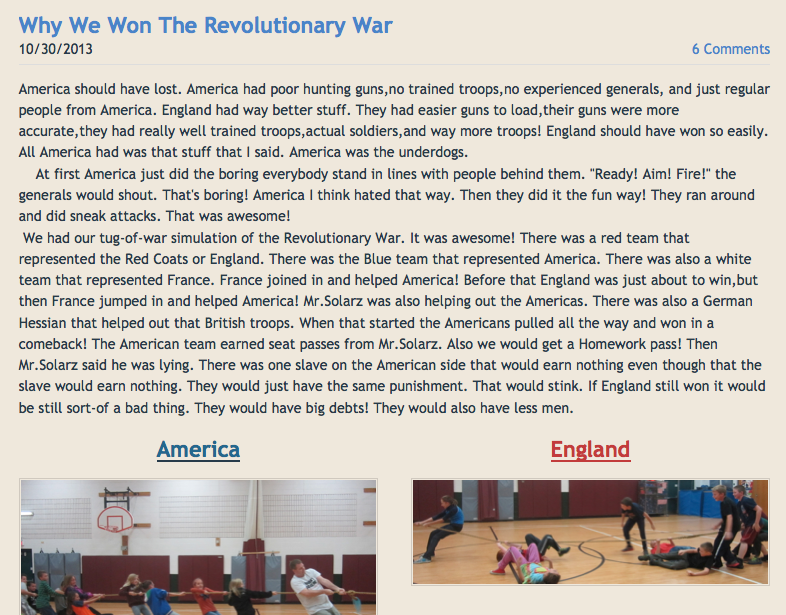
How did America win the Revolutionary War?

Our students spent a few months learning about the causes of the Revolutionary War, but only a few days learning about what happened during the war.  It was important to me that my students synthesized what they learned and explained to me why they thought America won the war, when so many things were stacked against us!  Here is one student's post:

  • My class directions for this activity.
  • Luke's entire blog post explained to the right.
  • Luke's entire ePortfolio.
Picture
Click on any screen shot to see a larger version of it.

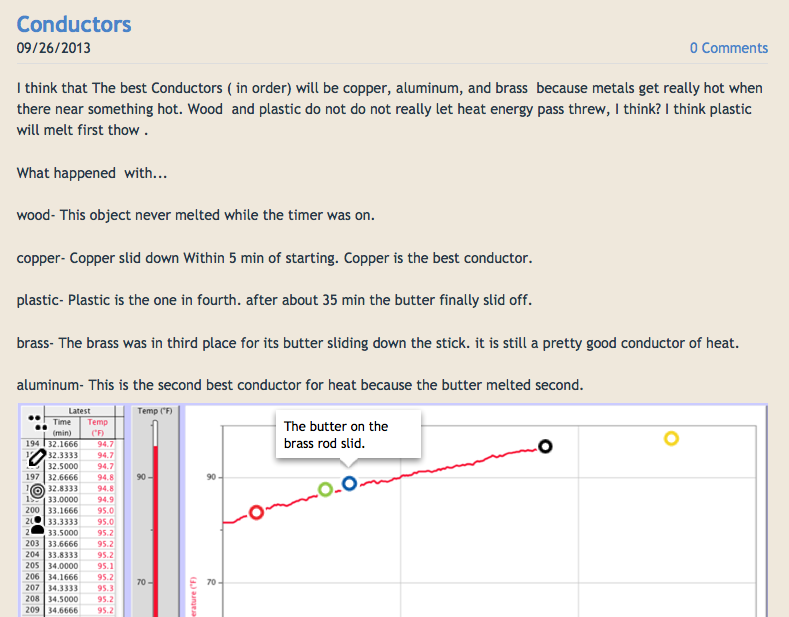
Which materials make the best conductors of heat?

In order to learn about the properties of conductors (and eventually insulators), my students took part in a demonstration that used butter pats on the ends of rods made of five different materials set in a jar of water being warmed by an electric hot plate.  In theory, the butter that slid first did so because of the material's conductive properties and the one that slid last stayed on longest due to the insulating properties of that material.  We used a fun tool called ThingLink to make the graph at the right interactive!

  • My class directions for this activity.
  • Keegan's entire blog post explained to the right.
  • Keegan's entire ePortfolio.
Picture
Click on any screen shot to see a larger version of it.

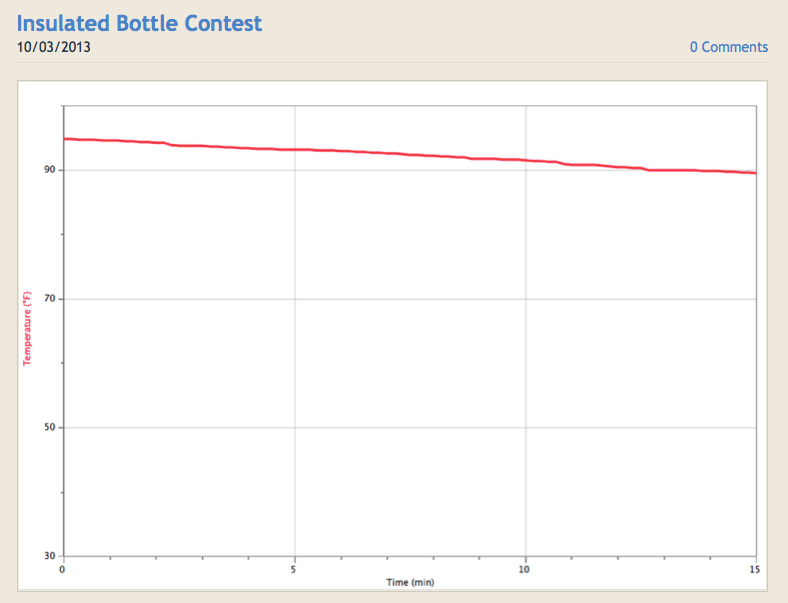
Who can design and build the best insulated bottle in class?

In order to prove that students understand the ideas behind insulating materials, I had them choose three materials from my stash (based on a fantasy draft-style format) and wrap a plastic bottle with them before enclosing it in a Ziploc bag and submerging it in ice water.  We tracked the temperature over 15 minutes and the bottle that lost the least percentage of heat, won the contest!  It was quite fun!

  • My class directions for this activity.
  • Sean's entire blog post explained to the right.
  • Sean's entire ePortfolio.
Picture
Click on any screen shot to see a larger version of it.

What are some arguments for becoming a patriot? A loyalist?

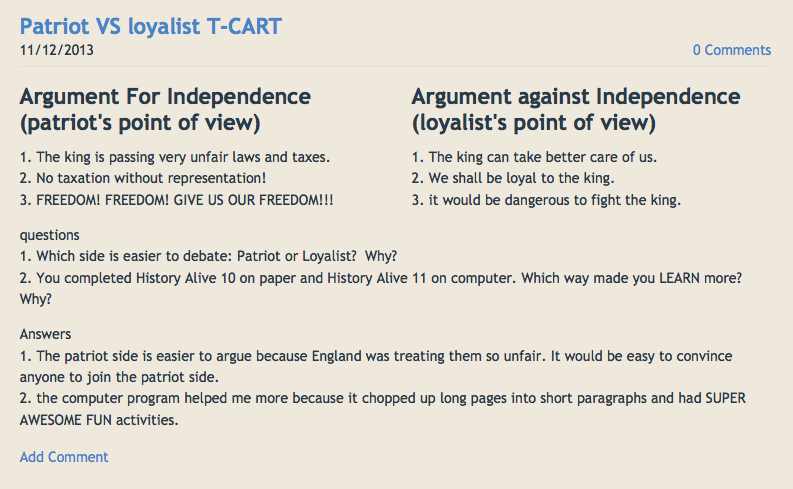
Some students are unable to understand why anyone would have wanted to be a loyalist during the Revolutionary War.  Since that is true, I have them read a chapter in our social studies books that clarifies the position of loyalists and poses strong arguments against becoming a patriot.  This blog entry asks my students to identify a few of those arguments and describe which side is easier to debate.
  • My class directions for this activity.
  • David's entire blog post explained to the right.
  • David's entire ePortfolio.
Picture
Click on any screen shot to see a larger version of it.
3 Comments

Sunshine on a Cloudy Day (at least a cold & dreary one)

1/12/2014

5 Comments

 
I have recently been honored by several of my favorite Twitter peers with a "Sunshine Award."  It is my honor to reply and spread the sunshine forward! I have to warn you that this was the hardest blog post I've ever written (and the longest - sorry). It is filled with emotions that I rarely choose to share with others. 

First, I'd like to thank the following colleagues for including me on their lists: Jennifer Collette (@jennmarieco), Drew Frank (@ugafrank), Will Gourley (@willgourley), Rachelle Wooten (@rwootenits), Paul Stolt (@pstolt1), Tammy Neil (@mathneil), Michael Ogg (@principalogg) and Judy Arzt (@judyarzt).  It really means something to me to be told that I make a small difference in someone's life.  I can guarantee that everyone above makes a huge difference in my life as well.  
Picture
Image credit: http://static.panoramio.com/photos/large/8344879.jpg

Here’s how this chain letter of inspiration works:
1.     Acknowledge the nominating blogger & let him or her know when you complete your post.
2.     Share 11 random facts about yourself.
3.     Answer the 11 questions the nominating blogger authored for you.
4.     List 11 bloggers (I chose Twitterers mostly) to pass along the challenge. (I listed more in hopes of spreading the sunshine further.)
5.     Post 11 questions for the bloggers/Twitterers you nominate to answer, and let all them know they have been nominated. (You can’t nominate a blogger who has nominated you, though.)

“11 Random Facts About Me” 

1) I have only taught one grade for my entire 15 year career (by choice): 5th grade.

2) I built a crazy huge classroom library for my students (see picture to the right). (Here is a blog post on its creation.)

3) I teach in the same district that I grew up in.

4) I love Mountain Dew!

5) I am an extremely adventurous eater - My American peers in China appreciated hearing my critique of various dishes before they would try it. (I only tricked them once!)

6) I am such a fanatic about my Blackhawks that I hang the  "Win flag" outside of my house after every win.

7) I don't like ice cream or spaghetti.

8) Although embarrassing to admit, I have an autographed baseball card by everyone who has played for the Cubs since 1999! (None have been acquired directly by me, though - those days are over! Thank goodness for eBay!)

9) I once considered teaching and living on the Freedom Ship, and even flew out to Florida to help write the educational philosophy of the community (see the picture to the right)!

10) I spent a year cataloguing most of my dreams (2-5 each night) and still have them saved in a few notebooks that are fun to read over!

11) I hope to some day write a book or three. I think I would enjoy writing about an education topic, I'll definitely stay away from fiction!
Picture
My Classroom Library (15 years of collecting books!)
Picture
Image credit: http://www.hashslush.com/wp-content/uploads/2013/11/ship-apocalypse-freedom-ship_15_1.jpg

"Answering the Questions"

The following are the answers to questions asked of me. I answered at least one question from each of the bloggers who nominated me.  It was kind of nice being able to choose questions where I felt I had a somewhat unique answer to!  I'm not sure I could have done some of those questions any justice!!!  Here are the questions and my answers:

1) If you could make one significant change that would shift the course of education, what would it be?
Answer: I actually have three, but hopefully two of the more realistic ideas will become books in the near future.  The following is just a dream: I would give each teacher complete autonomy to teach in a style that they feel best suits them, with materials that they choose, using pedagogy that they believe in.  There would be three stipulations: (1) Each teacher would follow the district and Common Core curriculum to ensure some consistency across the district. (2) Each teacher would attend weekly PD trainings (staff/team meetings) to ensure that everyone is exposed to best practices. (3) Each teacher would be evaluated based on something similar to Charlotte Danielson's rubric which encourages a student-led classroom.
Picture
I like to use PBL, technology, and experiential learning to teach my students. But should everyone have to teach this way?
2) What would your ideal classroom look like?
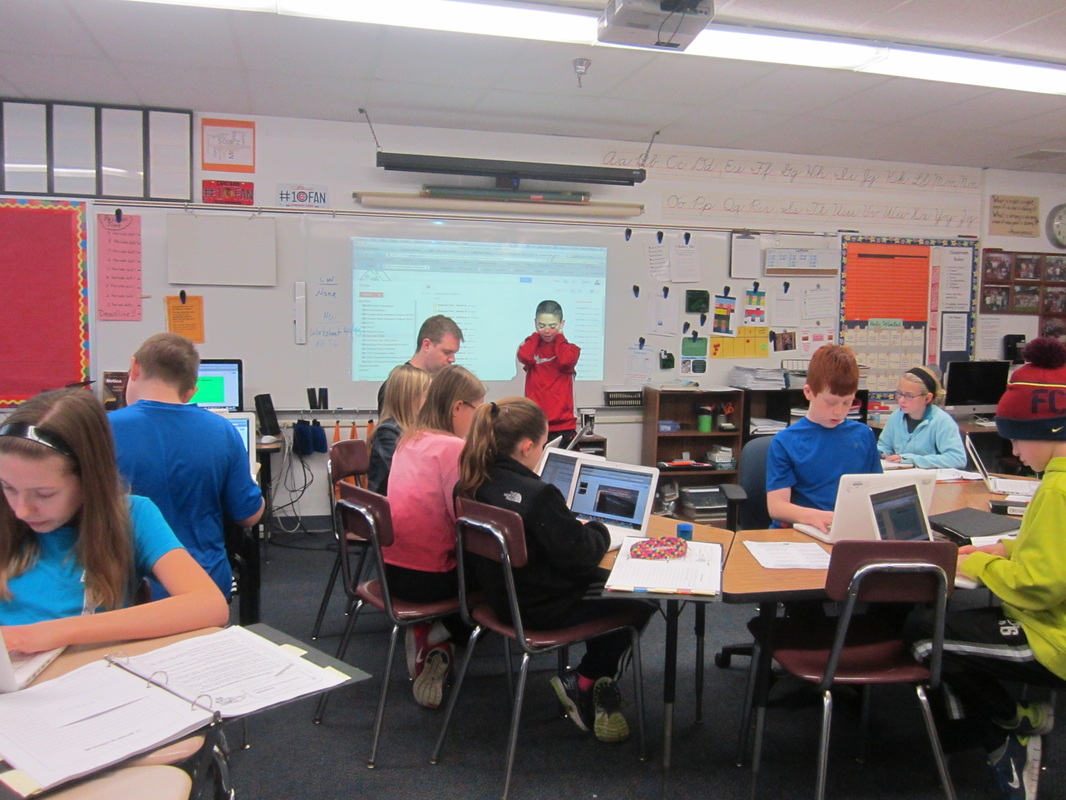
Answer: My ideal classroom is actually not far off from the one I have today. Each of my 5th grade students would have a dedicated MacBook Pro that they used in class and at home. The classroom would have lots of room to spread out, work in groups, work on the floor, etc. The room could easily be transformed to meet the needs of the current lesson. Several projectors allow for several sites to be displayed at a time along our 20+ foot long whiteboard. The full-time co-teacher or paraprofessional would supervise the whole group while I got to meet with individual students to provide specific feedback on their work. Although our school day is about an hour longer, that extra class time is used exclusively for more recesses, unstructured activities, and student-created clubs.
Picture
My classroom today.
3) Best place you ever vacationed?
Answer: I love to travel, and I travel for many different reasons. I've been all around the U.S., Alaska, the Caribbean, Mexico, Finland, Sweden, England, France, Monaco, Italy, China, Australia, New Zealand, and Fiji. I associate one positive emotion or another with each place:
  • Best beaches: Sigatoka, Fiji
  • Most beautiful views from a distance: Denali, Alaska
  • Most beautiful views close-up: Rotorua, New Zealand
  • Best snorkeling: Cairns, Australia
  • Most different from my life: Chongqing, China
  • Friendliest people: Helsinki, Finland
  • My fantasy retirement locale: Frejus, France
  • so many more positive attributes to associate with each of the places I've visited!
Picture
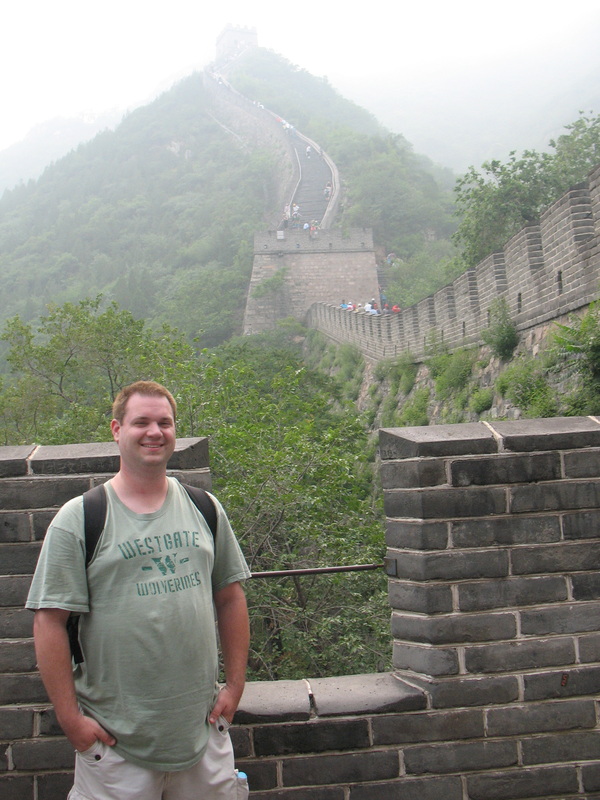
Walking the Great Wall of China!
4) What is one thing you never/rarely share that you are exceptionally proud of?
Answer: I love to cook, but I'm more of a practical cook than a creative cook. I spend every Monday evening all year long cooking for 120 people at a local soup kitchen. I have arranged my school schedule so that I can leave 45 minutes before the kids do so I can get there on time (they have Art at the end of the day). The reason I started doing this five years ago was because I recognized that I really had my priorities mixed up. I was struggling to find happiness in my life and I was feeling sorry for myself. Upon reflection, I realized that it was mighty selfish of me to think that my life was bad when so many people in the world suffer every day with a far worse fate. I decided to check out volunteer opportunities in my community and I came upon my local soup kitchen. I've been one of the three main cooks ever since! Every evening I spend there, I'm reminded how fortunate I am to have the family, friends, job, finances, etc. that I do and that I am truly living a blessed life.
5) What do you do to escape?

Answer: I spend a ton of time with my family. Although I am not married and don't have any children of my own, I am extremely close with my sister and her son and daughter, as well as my mom and dad. My nephew is nine years old and has autism. To see life through his eyes has helped me better understand my students, and has made me a more compassionate person. I feel as though he and I communicate with each other a little differently than the rest of the world communicates with him. I've felt that strong bond with him since he was a baby. My niece is a "13 year old stuck in a six year old body!" Although only a first grader, she seems to have an eidetic memory and knows how to infer gestures and hidden meaning, sarcasm, as well as opportunities to manipulate! (She's an evil genius who might some day rule the world - I'm a little scared of her!)
Picture
Tyler
Picture
Ashley
6) What is your favourite educational quote?
Answer: “Everybody is a genius. But if you judge a fish by its ability to climb a tree, it will live its whole life believing that it is stupid.” - Albert Einstein

I believe strongly that everyone has talents, gifts, strengths, and weaknesses. One of my first lessons I teach my students each year is called, "Marble Theory" where I tell my students that I believe that everyone is born with a million marbles inside their head, along with an endless supply of cups to hold those marbles. Each cup can hold up to ten marbles and is labeled for the skill that it represents. The more marbles a cup holds, the better you are at that skill. Not all marbles are currently inside of cups, however. We need to allocate them over the course of our life. 
Picture
Image credit: http://inspir.me/wp-content/uploads/2012/07/Einstein-genius.jpg
I share that I am extremely afraid of heights, so my "Skydiving cup" is currently empty and will probably stay that way forever, or until I fill my "Courage" cup to the top! But I'm a pretty good speller, so that cup might have 7 or 8 marbles in it! We then spend some time identifying which cups are pretty full inside of each of our brains and which ones might be close to empty! (Humility is an important skill to develop!) My connection to the quote is that schools often measure intelligence based on test scores in reading, writing, math, etc. but we are so much more than that. We may not all be gifted in each of those areas, but we do have important gifts. Once we admit that being kind to others, being able to play a musical instrument well, and turning a double play in baseball are skills that could be measured just like academic subjects, we begin to see that we are all gifted, but in different ways.
7) If you could do anything knowing you would not fail what would you do? Why?
Answer: As a life-long Cubs fan, I would love to become the general manager of the team that I idolize (assuming I could not fail and would deliver a World Series to my home town!). I'm not sure anyone in the country would be more celebrated than the person who assembled the first World Series-winning Cubs team in over 100 years (the longest streak in professional sports)! Ever since I was a child, I have enjoyed looking over baseball statistics and trying to decide how the Cubs should spend their money! Knowing I could not fail, I think, would make the experience even that much more fun. That being said, I work hard to teach my students that failure is an important part of learning (which I firmly believe). I am happy to "fail forward" in my current position as 5th grade teacher, but I would not want that pressure as Cubs GM!
Picture
Image credit: http://firstpickblog.onmason.com/files/2012/09/ polls_CubsWin_answer_1_xlarge.jpeg
8) What was the most unfair thing that a teacher ever did to you?
Answer: As a talkative, nervy, annoying junior in high school, I was once told by my "Writing About Literature" teacher that I was the worst writer he ever had in his class. He did so during class as he was handing back graded assignments. Shocked by his words, I laughed, said something obnoxious under my breath, and acted as if I didn't care. My guess is that he was having a bad day and my persistent, adolescent attitude struck on his last nerve. That being said, he never apologized, withdrew his remarks, or made up for it in a different way. I just spent the rest of the semester knowing that whatever I wrote would be pointless since he so strongly disliked my writing style! Because I was such a hard-headed teenager, I decided to make it my goal to prove him wrong even though I never liked writing, nor literature. I decided I would try out for the school newspaper! The newspaper advisor told me I would have to submit a sample article to him since I had not taken the prerequisite courses necessary to be on the paper, so I did. Long story short, I got on the paper and became Sports Editor and Business Manager within months. I later became News Editor of my college newspaper, and currently host my own blog ;) - none of which have been paid positions, however. :( Although I still might not be the best writer in the world, I know that I can't possibly be the worst! I wonder if the jerk was just trying to light a fire under me?!?! Hmmm...
Picture
After Googling "mean teacher," I couldn't find a good male photo, so this will have to do! (Click on image to go to source.)
9) When did you know you wanted to be an educator?
Answer: I was never one of those kids who knew what he wanted to be when he "grew up." I never wanted to be a professional baseball player or an astronaut. I never saw myself becoming an adult and never had a strong enough interest in one area that I wanted to devote the rest of my life to it. So after I finished my second year of college, I had to finally declare a major! I spent my first two years at the local community college, because I thought I shouldn't waste my parents money going to a school that might not offer my future major. Fortunately, Winona State University in Minnesota liked my grades at Harper College and offered me in-state tuition if I transferred there. I decided it would be the best decision to do that, so I looked into their programs. They had a good business, nursing, and education college, so I thought a little about those majors. I knew right away that anything medical wouldn't work for me, so I started to think about a degree in business. I had worked as a temp for the past six summers at various local businesses and had done very well. I thought that was a definite possibility. But this particular summer, I had decided to work at a Scout Camp instead of my usual temp job. I was Nature Director, and I got to teach outdoor science to Cub Scouts! The parents thought I was a natural and gave me so much confidence that I started to wonder if a degree in education would make sense. Then it struck me: All the businesses I worked in didn't care what degree I was earning, they would eventually want me to get my MBA, so I could always get a job in business with a degree in Education (but not the other way around). My decision was made. 15 years later, I haven't given a thought to working in business! :)
Picture
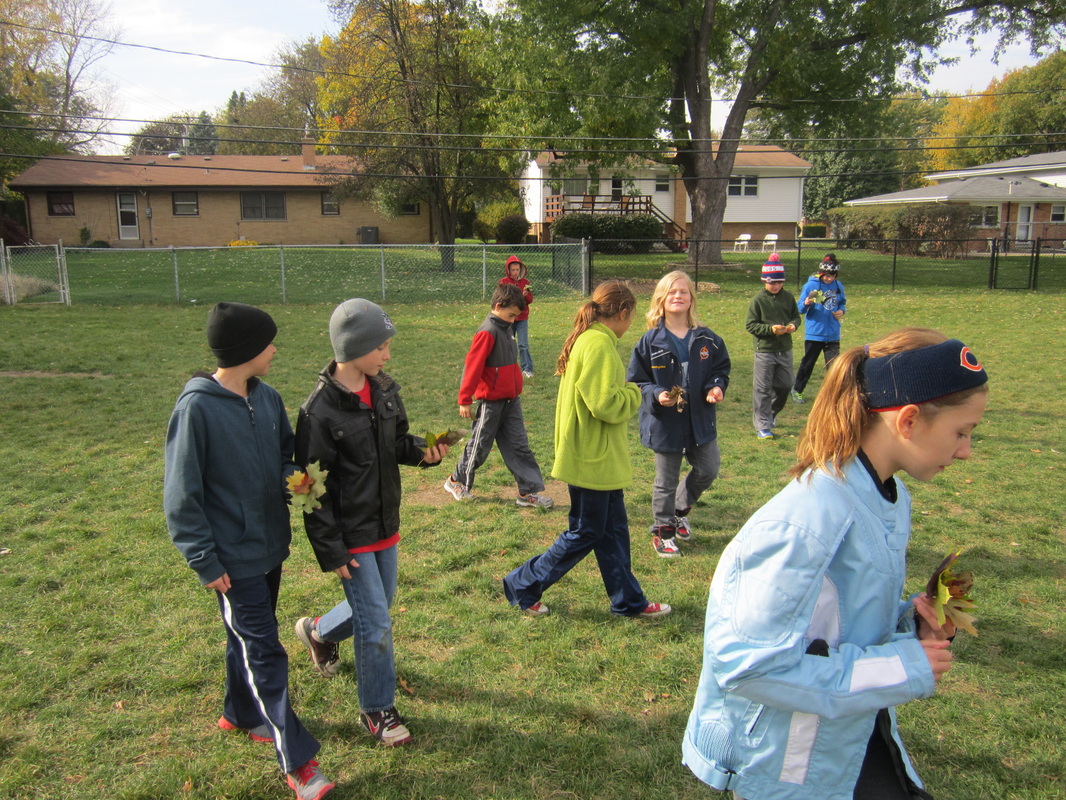
Gathering different colored leaves.
Picture
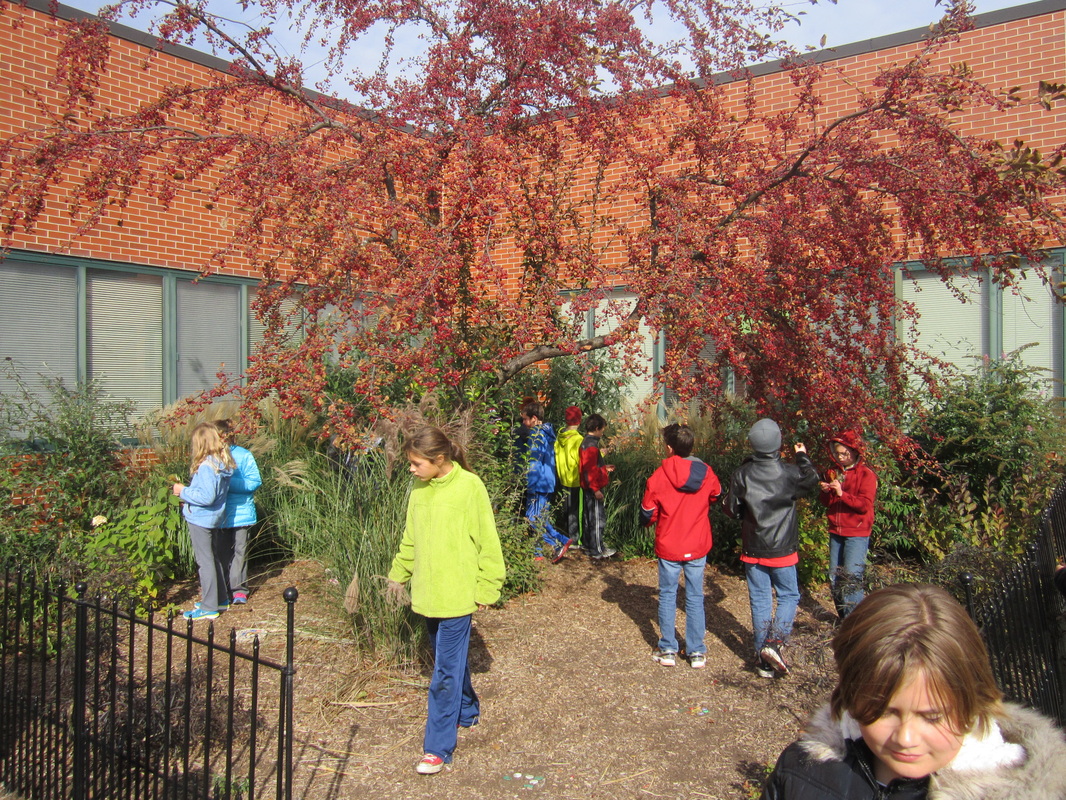
Gathering different colored leaves.
10) If you won the lottery, what would you do?
Answer: Honestly, I would move to the Caribbean or somewhere else with a beach and the perfect climate. I would still want to teach, but I would create my ultimate classroom explained in Question #2 (and I would have the money to do it!) My family has been itching to move to a warmer climate, so they would join me and with all my money, I would gladly build/purchase their own dream homes nearby (but a comfortable distance away!). I would hire & pay a second teacher to allow me the flexibility to provide feedback (but also to take days off whenever possible). It's a childish dream, but that's OK. I never play the lottery anyway! :)
Picture
Image credit: http://blog.travefy.com/wp- content/uploads/2013/07/wonderful-beach-hd- wallpaper-nature-amp-landscape-wallpapers.jpg
11) If you were able to go back through time and give yourself a piece of advice, what would it be?
Answer: I would tell myself that everything in education is cyclical, so hang in there during the rough times. When I first started teaching, I had 100% autonomy to teach anything in any way I wanted. Seven or eight years later, I was almost entirely restricted in what I could teach and how I taught it. Today, I am as close to full autonomy as I've been in ten years! It's no wonder that my first five years and my last three years have been the most enjoyable years of my career! I'm just not someone who enjoys being puppeted! I need to feel empowered to make decisions, try new things, and learn from my mistakes. I know that I'm a better teacher this way, and my students enjoy a better experience when I believe in what I am doing!
Picture
Image credit: http://freeenglishlessonplans.files. wordpress.com/2013/04/advice.jpg

Play it Forward: Here is a list of people on Twitter who I appreciate collaborating with or look to for ideas. Some have blogs that I read, while some don't. These people, however, have consistently provided me with advice, feedback, or support over the years. These are the people whom I hope to collaborate with more in the future.  (There are dozens more, but I was supposed to only list 11 and I started to feel guilty! I know that I left important people off of this list, so I apologize to them - I ran out of time and space!)
Joy Kirr (@joykirr)
Tricia Fuglestad (@fuglefun)
Greg Miller (@millerg6)
Julie Jee (@mrsjjee)
Dave Burgess (@burgessdave)
Ben Kuhlman (@bkuhl2you)
Lisa Mims (@brighteyes49)
Maria Caplin (@mariacaplin)
Katy Gartside (@katygartside)
Kathryn Hoffman (@kkht6912)
Billy Spicer (@mrbillyspicer)
Brianne Koletsos (@b_kol)
Angela Maiers (@angelamaiers)
Scott Jones (@escott818)
Matt Coaty (@mcoaty)
Tim Walker (@timdwalk)
Brad Gustafson (@gustafsonbrad)
Josh Gauthier (@mrgfactoftheday)
Gary Anderson (@andersongl)
Kimberly Hurd (@khurdhorst)
Misty White (@maddawgmisty)
Darin Johnston (@aniowateacher)
Scott Hastings (@scotthastings1)
Craig Yen (@craigyen)
Julieanne Harmatz (@jarhartz)
Ginny Moe (@ginnymoerhsb)
Tom Whitford (@twhitford)
Denise Krebs (@mrsdkrebs)
Jessica Bamberger (@missbamberger)
Nancy Carroll (@ncarroll24)
Paula Naugle (@plnaugle)
Gallit Zvi (@gallit_z)
A.J. Juliani (@ajjuliani)
Donalyn Miller (@donalynbooks)
Hugh McDonald (@hughtheteacher)
Michelle Cordy (@cordym)
John Fritzky (@johnfritzky)
Robyn Thiessen (@robyntheissen)
David Hochheiser (@davidhochheiser)
Shawn McCusker (@shawnmccusker)
Oliver Schinkten (@schink10)
Andrea Lawson (@mmegrade5)
Bernice Homel (@bhomel1)
Catherine D (@catherine_d2013)
Holly Clark (@HollyEdTechDiva)
Tanya Avrith (@edtechschools)
Reed Gillespie (@rggillespie)
Ben Brazeau (@braz74)
Maggie Maslowski (@maggiemaslowski)
and so many more including those who nominated me...

Here’s the set of questions for the above bloggers (if you were listed above, you are encouraged to write your own blog post, passing appreciation on to others - no pressure though! This takes a lot of time!):

1) If you could make one significant change that would shift the course of education, what would it be?
2) What would your ideal classroom look like?
3) Best place you ever vacationed?
4) What is one thing you never/rarely share that you are exceptionally proud of?
5) What do you do to escape?
6) What is your favourite educational quote?
7) If you could do anything knowing you would not fail what would you do? Why?
8) What was the most unfair thing that a teacher ever did to you?
9) When did you know you wanted to be an educator?
10) If you won the lottery, what would you do?
11) If you were able to go back through time and give yourself a piece of advice, what would it be?
5 Comments

Becoming a Teacherpreneur - At Least My Interpretation of the Word

1/4/2014

15 Comments

 
"Teacherpreneur."  I like that word.  I feel as though it represents a new breed of teacher: one who innovates, takes risks, and shares the results with the education world.  I want to be a teacherpreneur.  I want to teach my students, try new things in my classroom, and share my findings with others. Twitter has been a great place to do that so far!  But I want to work with teachers face-to-face.  I want to share my thoughts and experiences and then hear what they have to say.  I want to better my practice from face-to-face interactions with other teachers and administrators.

But is that what the word "teacherpreneur" means?  Of course, the word "teacherpreneur" steals the ending from "entrepreneur," a French word that, according to
http://www.merriam-webster.com/dictionary/entrepreneur, is defined as:
Picture
Wearing a collar = Teacherpreneur ;)
"One who organizes, manages, and assumes the risks of a business or enterprise."
When I separate "entre-" and "-preneur" it seems to mean "to take on (-preneur) something new (entre-)."  By definition, I guess that would mean that a "teacherpreneur" is someone who "takes on a teacher!"  Maybe the term should be saved for administrators!?!?

Anyway, although I dislike starting a blog post with definitions, I think it's important to understand what the term means publicly and in my own context.
I originally saw the word on Vicki Davis' website: coolcatteacher.blogspot.com. Vicki is an amazing teacher, global collaborator, and Mom. Author of award winning wikis, blogs, co-founder of Flat Classroom projects and co-author of Flattening Classrooms, Engaging Minds.

Her definition is to the right, and includes additional components outside of my definition above like "partnering with other classrooms" and "global collaborators."

I love the parts where she says teacherpreneurs "get in trouble with their renegade practices until people realize that they work" and breeding a "new generation of... big picture thinkers like we've never seen before."
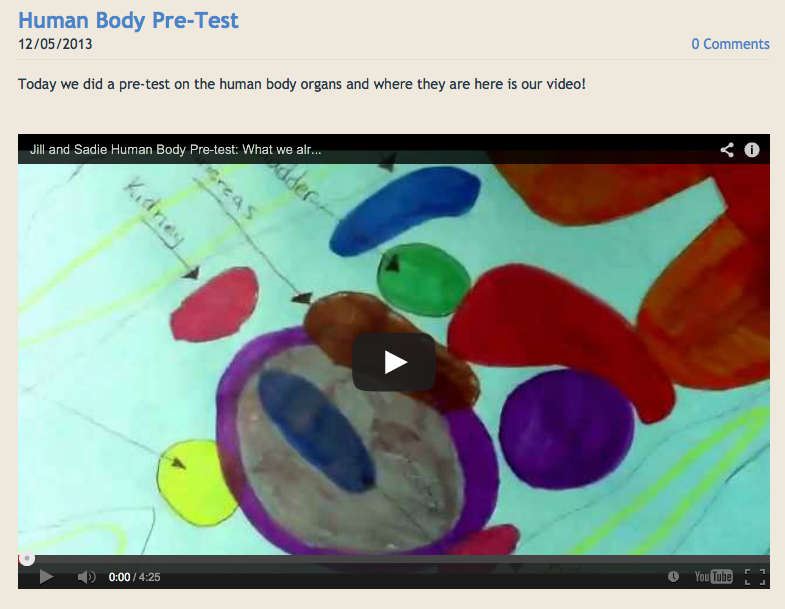
I think it's true that teachers who push the envelope probably upset the applecart quite a bit in their districts due to the importance placed on "consistency across the district."
Picture
(Click on image to go to source)
So I've used her ideas to formulate my beginning understanding of what a teacherpreneur is.  But I wanted to know more.  Who is doing this already?  How does that look logistically?
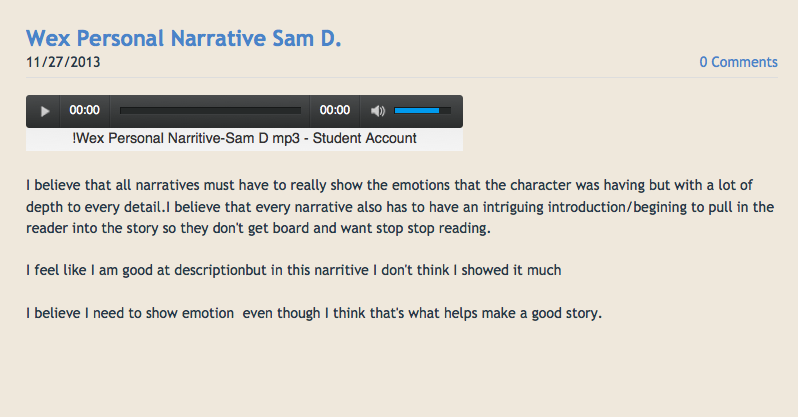
Picture
(Click on image to go to source)
So I recently bought and read a good book entitled, "Teacherpreneurs: Innovative Teachers Who Lead But Don't Leave."  It focused on how teachers can advocate for policy change through an organization called the Center for Teaching Quality.

The book was written as a series of case studies of teachers who became Teacherpreneurs.  I was highly inspired by several of the teachers, especially Lori Nazareno (@lnazareno) and Noah Zeichner (@nzeichner). These two teachers are doing some amazing things in education!

Teacherpreneurship, in this regard, is an excellent way to advocate for change in education, but not exactly what I'm looking to do.

The web page says this about the book:
Follow the journeys of eight American teachers who are exceptional, but not exceptions.

Teacherpreneurs (Jossey-Bass, 2013) demonstrates why and how innovative career pathways can help expert teachers benefit more students. (Teacherpreneurs: classroom experts who teach students for part of each day or week and spread sound practices and innovative ideas beyond their schools, districts, and states.) 

The book, authored by Barnett Berry, Ann Byrd, and Alan Wieder, also documents barriers that teacher leaders face and suggests big-picture changes to advance the profession. 
I want teacherpreneurship to mean that I can stay in the classroom, but have time off to work with teachers in my district and surrounding districts to promote change in their classrooms based on best practice.  I want all the work that I am doing to improve education in my classroom to benefit other students (and teachers).  But this is hard for an elementary school teacher to coordinate.  I have my students all day for all subjects.  I know that some teachers are team teaching or going part time.  I'm not sure that would work best for me since I don't want to give up a subject or two because most of what we do involves integrating the subjects!

In our district, I have been allowed to take days off to lead workshops in other districts.  These days are called "Professional Days."  I'm not sure if there is a limit to the number of Professional Days I can take, but I have found out that the district who hires me to teach has to pay for my substitute for these days.  I would love to start working with grade level teams to plan curriculum, create lessons that focus on 21st Century skills & use technology purposefully, and create student ePortfolios that make learning more transparent & help synthesize learning.

My goal is to do this on a more regular basis.  My students, especially as the year goes on, need me less and less once routines are established and they are "running the show."  Having a substitute regularly, especially one who is comfortable with the style of learning taking place in our classroom, is not a huge negative like it might have been in the past.

Just like our students, teachers need an authentic audience for which to share their knowledge.  Working 60 hour weeks to benefit my own personal students is one thing, but when we know that hundreds more could benefit, it makes our time commitment that much more meaningful.  Becoming a "Teacherpreneur" seems to be a logical next step for teachers pushing the envelope and I'd be interested in exploring that avenue!  

What ideas do you have?

(I found this article about Intrapreneurs that I really enjoyed reading - check it out if you're interested!)
15 Comments

Can a Technology Upgrade for this Old-Fashioned Project Improve Student Learning and Motivation?

12/31/2013

6 Comments

 
Scroll down to see the interactive "Samuel Adams" image towards the bottom of this blog entry!
One of the objectives I needed to teach and assess during our Revolutionary War unit this year was: "Analyze the views, lives, and contributions of significant people in the Revolutionary Period. (Objective 6)"  I wanted to mix some of my favorite old-fashioned activities with some of the newer tech tools available today to make a fun and exciting project for my students.
The way I started was by quickly reading off the names of several famous people from 18th Century America who played a role in the Revolutionary War.  I tried to give a short comment on each, but wasn't able to do that for about a third of them due to my own personal lack of knowledge.  I used this as an opportunity to encourage my kids to teach me about those people and help me with future classes!
Picture
Click to see a larger version.
Then, I pulled sticks and had kids come up to sign up for one famous person.  They wrote their person down and began reading about them online (a mini lesson on proper search techniques can be inserted here if your students would benefit from that).  Next, I explained to my students that they would be creating a poster (like the ones in the slideshow above) detailing the major accomplishments of their person that will eventually hang in our hallway for others to see.  We would also be expanding our audience to the internet, so people around the world could benefit from our knowledge!  The way we would do this would be a secret for now.
Picture
Click to see a larger version.
I gave my students a checklist of tasks that were required (download the whole project PDF), some that had choices, and told them that five tasks must be checked off every two weeks in order to stay on schedule.  I would be checking every two weeks to make sure no one fell behind.  If anyone fell behind, I would strongly encourage them to attend Homework Club (a time to work in the classroom before school, during lunch recess, and after school every day) until they got caught back up.  I, of course, would be happy to help in any way necessary!
I showed them a completed poster from a previous year and stated that it was not necessarily an exemplar, but rather an example of a completed project.  Their creativity and design ideas would be necessary to take their project from complete to outstanding!

Along the way, I gave class time to do everything and encouraged students to spend a little time at Homework Club to stay on track.  I taught mini-lessons for each item on the poster and spent a lot of time getting my students to create banners for their hero's name and digital travel brochures (all done on Microsoft Word).
Picture
Making travel brochures on Microsoft Word.
I like this project because there is a mix of several very strict directions with little wiggle-room and several opportunities for students to be creative and artsy!  By the end of the project, I want my students to know how to follow directions (which stifles creativity but prepares them for future tasks) and demonstrate a creative touch (which allows for independent thought).  The deadlines keep students on track, and offers the opportunity to teach time management, prioritizing, self-regulation, etc.

Once my students finished their posters, it was time to introduce a cool tech tool that would help spread our learning across the globe: ThingLink!  One of my favorite tech tools around!  ThingLink allows people to take a photo and insert tags anywhere on the photo.  These tags can link to new websites, pop up videos, display new photos, or give information!  (Here is a video I did where I explain quite a few other ways I've used ThingLink in the classroom.)
The image above is interactive. Hover over it & click on the tags!
To start, I partnered each of my students up with sticks and had them record each other reading/explaining all the parts of their poster on our iPads.  After uploading these videos to YouTube, we opened them in TubeChop and began to separate the video into its component parts (e.g. one video for the summary, one video for the poem, etc.).  Next, we took a picture of our poster and imported it into ThingLink.  Students added a tag for each component on their poster and linked it to its respective TubeChop video!  Now, whenever anyone hovers over a part of the poster that they want to know more about, they can watch the video explaining it!
As an added bonus, we turned each of their posters into an aura (for Aurasma) and a QR code, so when anyone walks by with their cell phone or an iPad with Aurasma or a QR Code Reader on it, they can watch the entire video explaining each part of the poster!

This project was a ton of fun for my students and is a ton of fun for me!  The objective above has been more than "covered" and the students have a semi-permanent digital footprint documenting their learning!  In addition, we always reflect on our learning and synthesize the information at the end of an activity like this (here is one student example).  So, students hopefully gained more from this activity due to the technological additions than just novelty! 

To answer the question in the title of this post, I do think that this particular technology addition improved student learning and motivation.  I don't back that up with data, because I won't test my students on this, but if you ask them about their Revolutionary War Hero in the coming months, I would bet they would have a lot to talk to you about!

It's also important to note that all of these projects were completed 100% in class.  (One student took his home one night without permission, came back the next day with it completely done (with major parent-support) and I had him do another one without any support.  We called the first one his "practice" poster.)  I think it's so important that fifth graders learn that they can do these projects without an adult making every decision and being too involved. Independence has to be nurtured and that can't be done if adults interfere too greatly!
6 Comments
<<Previous
    Picture
    Picture

    My ePortfolio

    I am Paul Solarz, a 5th grade teacher in Arlington Heights, Illinois who is loving 21st Century Education. Please become part of my PLN on Twitter: @PaulSolarz

    Follow @PaulSolarz
    Tweet

    Archives

    April 2014
    February 2014
    January 2014
    December 2013
    November 2013
    October 2013
    September 2013
    August 2013
    May 2013
    April 2013
    February 2013
    January 2013
    December 2012
    October 2012
    September 2012
    August 2012
    May 2012

    Categories

    All

    RSS Feed

    Tweets by @PaulSolarz
Powered by Create your own unique website with customizable templates.